
Imagine cruising along a scenic Las Vegas road when suddenly you’re hit by a car while riding your motorcycle—a moment that shatters your peace and thrusts you into chaos. In an instant, what seemed like a routine ride transforms into a life-altering incident, filled with severe injuries, overwhelming medical bills, and a maze of legal complexities.
This comprehensive guide is designed to help you navigate the aftermath of such a traumatic event with clear, actionable steps. Whether you’re managing a chaotic accident scene, dealing with mounting medical bills, or preparing to file a police report, every detail matters. By understanding how to secure the scene, document evidence, and seek both medical and legal support, you can protect your rights and work toward rightful compensation. Let’s dive in and explore the vital strategies that help you recover in the short term and safeguard your future.
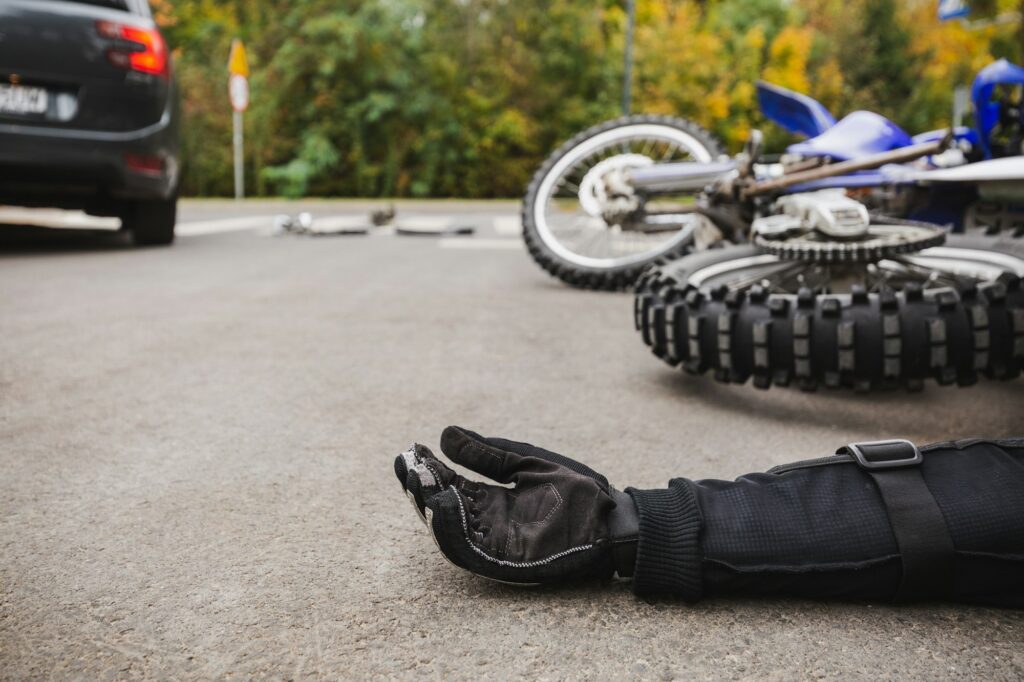
Immediately after you’re hit by a car on your motorcycle, your top priority is to ensure your safety and that of any bystanders. If possible, move to a secure location away from oncoming traffic. This reduces further risk and prevents additional injuries. Carefully assess your condition; even if you believe you’re unharmed, internal injuries or shock may not be immediately visible.
Once safe, secure the accident scene to preserve essential evidence. In urban hubs like Las Vegas, delineating the accident scene is critical. Avoid moving your motorcycle or vehicle unless absolutely necessary, as doing so could compromise trace evidence vital if liability is disputed in court. Preserving the scene also aids local authorities and assists municipal safety reviews in evaluating and enhancing road safety protocols.
After ensuring safety, contact emergency services. Dial 911 and clearly state you’ve been hit by a car on your motorcycle. Provide the dispatcher with your exact location, the number of vehicles involved, and a description of visible injuries or hazards. Stress the importance of both medical assistance and police presence—this ensures a detailed police report is filed promptly.
When speaking with emergency dispatchers, mention key details such as nearby Las Vegas landmarks or busy intersections. This helps first responders better understand the scene’s dynamics and may lead to quicker interventions. The resulting police report serves as a cornerstone document for your insurance claim and potential legal proceedings.
Accurate and thorough documentation at the accident scene is among your strongest defenses when negotiating with insurance companies or in court. Use your smartphone or camera to capture wide-angle photos of the overall environment, as well as close-up images of vehicle damage, skid marks, road conditions, and visible injuries. Video recordings can also capture the sequence of events, including the speed and trajectory of the vehicles involved.
Document critical details such as the time, date, and specific location of the accident. Use your device’s location tags and gather any available digital footprints, such as dashcam footage or nearby security camera recordings. This supports your account and can serve as compelling proof of negligence if you must argue fault later. Including surveillance footage from municipal or neighborhood sources can further strengthen your case.
Unbiased witness testimony is invaluable. As soon as you are safe, ask witnesses to provide their full names, phone numbers, and email addresses. Request brief written or oral descriptions of what they saw, including details on the behavior of the other driver, vehicle speed, and actions at the intersection.
Witness statements become especially important when the other party disputes responsibility. Even seemingly minor accounts may substantiate your version of events, influencing compensation amounts and determining liability. Collecting this information promptly ensures you have the documentation needed to support your claim, even as memories fade.
When emergency services and police arrive, ask that an official police report be compiled immediately. This report should detail observations from officers, road conditions, and statements from everyone involved. Do not leave the scene until you confirm that all necessary documentation will be provided to you.
Obtain multiple copies of the police report as soon as possible to bolster your case. Keep this documentation with your evidence, such as photographs, videos, and witness contact. This organized collection can make the difference when arguing for higher compensation and plays a vital role when insurance companies evaluate damages and medical bills.

Never underestimate any injury sustained when hit by a car on a motorcycle, even if the pain seems minor initially. Symptoms can develop or worsen over time due to internal injuries or shock. Seek medical evaluation promptly and insist on a thorough examination. Detailed injury documentation helps with both treatment and insurance claims or legal action for compensation.
Medical assessments typically involve diagnostic tests, like X-rays, MRIs, and blood work, to detect hidden issues. Obtain detailed medical records, as they are crucial in negotiating with insurance companies. Early documentation often leads to quicker, more efficient claim settlements. Seek a second opinion if you feel your injuries have not been thoroughly examined.
The financial burden of medical bills after an accident can feel overwhelming. To manage costs:
Understand your insurance policy’s provisions, particularly for motorcycle accidents. If disputes arise, organized documentation can significantly boost your negotiating power. In some cases, have medical bills and claims reviewed by a local specialist familiar with Las Vegas insurance practices. This helps protect your financial interests and establishes a recovery timeline.
Legal challenges can quickly become complex after a motorcycle accident. Even if circumstances seem straightforward, hidden factors—like driver negligence or unclear traffic signals—can complicate matters. Consult a specialized motorcycle accident attorney. A seasoned lawyer understands local laws and claim procedures and can help you navigate liability disputes.
In Las Vegas, where local regulations and municipal practices may affect outcomes, an experienced attorney can help secure full compensation that covers immediate expenses such as medical bills and lost wages, as well as future needs like ongoing care and pain and suffering. Whether your case goes to court or settles, professional guidance is essential to address all issues, from vehicle damage to comparative negligence.
A successful personal injury claim requires a methodical approach. Keep a record of every detail—from the moment of impact to all subsequent communications with insurance agents or governmental officials. Maintain copies of the police report, medical records, photos, and witness statements. Also, document all communications with the other party, including statements at the scene and those in official documents.
Please note that Nevada personal injury claims must generally be initiated within two years from the date of the accident. Moreover, Nevada operates under a comparative negligence system, which means that even if you are partly at fault, you may still recover damages; however, any award might be reduced in proportion to your degree of fault. It is crucial to consult with an experienced motorcycle accident attorney promptly to ensure your rights are fully protected and that you comply with all legal deadlines.
These records help demonstrate negligence, especially if the other party disputes fault. In cases involving local regulations or ambiguous circumstances, a strong evidentiary foundation is essential. Whether presenting your case in court or negotiating a settlement, detailed proof can be the difference between a fair payout and inadequate compensation. Be sure to record every detail, holding insurers and attorneys accountable.
Recovery after a motorcycle accident is both physical and emotional. While injuries may be clear, trauma, such as anxiety or post-traumatic stress, is common. Physical therapy, routine medical follow-ups, and consulting mental health professionals are crucial parts of your recovery.
Start early to prevent long-term disability. Tailored rehabilitation programs, especially for accidents in high-traffic urban areas, restore mobility and improve function. Counseling or support groups help process trauma. These approaches not only enhance physical health but also provide emotional balance, so you regain both strength and peace of mind.
Beyond immediate medical concerns, accident-related costs can disrupt your financial stability. Consulting with financial advisors and legal experts early in the recovery process can help you understand your rights and obtain compensation that matches your needs.
In some Las Vegas cases, victims have negotiated settlements covering not just current expenses but future rehabilitation and living costs. Create a detailed budget for current and anticipated expenses. Work with professionals who understand insurance and local regulations to ensure all bills and additional costs are covered. This proactive approach protects your future and reinforces your compensation strategy.

Preventing future accidents is vital. Safe riding practices are especially important in busy cities like Las Vegas. Adhere strictly to motorcycle laws, use safety gear, and remain highly aware of your surroundings.
Defensive riding techniques are invaluable. Reduce speed in high-traffic areas, especially near intersections or parks. Attend safety training or refresher courses to reinforce best practices. Local associations and tourism centers often promote safety and collaborate with governmental agencies to update regulations based on accident history. Ongoing education and proactive risk management foster a culture of safety for all.
Technology now plays a critical role in accident prevention. Many motorcycles feature advanced safety systems, such as anti-lock brakes, traction control, and GPS-based alerts for hazardous areas. These tools can help prevent incidents in which a rider is hit by a car while on a motorcycle.
Smartphone apps offer real-time traffic updates, weather forecasts, and notifications for hidden road hazards. Regular checks of motorcycle systems—brakes, tires, lights—help prevent failures that may lead to crashes. Innovative helmet communications equipment allows riders to stay connected with emergency services or other riders in case of an emergency. Leveraging technology enhances safety and helps document incidents for insurance or legal use.
Being hit by a car while riding a motorcycle can have repercussions far beyond the physical injuries. Many victims face long-term disabilities or emotional challenges that impact daily life and their families. Support networks—community groups, online forums, or family counseling—can provide relief and guidance.
It’s important to recognize that legal and financial challenges may persist for months or years after the accident. Ongoing disputes about liability or insurance payments can arise. An attorney can clarify long-term implications, ensuring lost wages, property damage, and future medical needs are considered during compensation negotiations. Recognizing these challenges helps build a resilient plan for recovery.
Local government and community organizations in areas like Las Vegas often play a vital role for accident victims. Initiatives and safety campaigns informed by accident data can lead to improved road safety measures. Victims are encouraged to participate in forums or contact local representatives to help drive changes that enhance overall safety.
Community support provides resources for managing accident aftermath. Nonprofits may offer legal aid, counseling, or financial advice. Whether seeking help with bills, legal issues, or simply in need of normalcy, these resources can make a major difference.

If you’re hit by a car while on a motorcycle in Las Vegas, prioritize safety and medical attention first. Call 911 to report the accident and wait for police to arrive and document the scene. Take photos of the scene, damage to your bike, and any visible injuries. Collect contact and insurance information from the driver involved. You should also seek medical attention—even if you feel fine—as some injuries may not be immediately apparent. Then, contact an attorney experienced in motorcycle accidents to protect your rights and begin a compensation claim.
Responsibility for covering medical bills, property damage, and other costs depends on who is at fault. Nevada follows a modified comparative negligence rule, meaning the party more than 50% at fault is liable. Insurance companies will investigate the crash based on police reports, witness statements, and evidence from the accident scene. If the driver of the car was negligent, such as running a red light or failing to yield, they may be held responsible. An experienced Las Vegas motorcycle accident lawyer can help determine liability and fight for the compensation you deserve.
Yes, even if you’re not a Nevada resident, you can file a claim in Las Vegas if the accident occurred within city limits or nearby areas. Motorcycle crash victims—whether locals or tourists—can pursue compensation for injuries, lost wages, property damage, and pain and suffering. Your claim will need to be filed under Nevada law, and it’s best to work with a local attorney familiar with Las Vegas traffic regulations, insurance policies, and city-specific factors like high tourism zones or common crash intersections.
Being hit by a car on your motorcycle is a serious ordeal. By applying the steps in this guide—from documenting the scene and seeking immediate medical care to informed legal action and long-term recovery—you empower yourself to secure the compensation you deserve and reclaim control.
The road to recovery is not just about healing or paying bills; it’s about rebuilding your life, restoring confidence, and creating safer streets. Whether negotiating with insurance companies, working with attorneys, or advocating for better regulations, your actions contribute to a future where accidents drive meaningful change.
Ride safe, remain vigilant, and remember: Preparation turns a traumatic event into a stepping stone for lasting change on the road. Contact Pacific West Injury for justice.

Disclaimer: The information on this website is for general information purposes only. Nothing on this site should be taken as legal advice for any individual case or situation. This information is not intended to create, and receipt or viewing does not constitute an attorney-client relationship. Past results do not guarantee, warrant, or predict future cases. You may have to pay the other side’s attorney’s fees and costs in the event of a loss.
Pacific West Injury Law • Greater Las Vegas’ Award-Winning Injury Attorneys • #bluebearcares
This site is protected by reCAPTCHA and the Google Privacy Policy and Terms of Service apply.