
Accidents often happen when you least expect them—even when you’re driving carefully. Imagine cruising along only to later realize that you unknowingly hit a parked car. Even if the damage seems trivial, such incidents can quickly spiral into significant legal and insurance complications.
In today’s fast-paced world, many drivers face uncertainty when a minor contact with a parked vehicle leaves barely noticeable marks. The repercussions—ranging from unexpected insurance claims to potential hit-and-run charges—demand prompt and responsible action. If you inadvertently hit a parked car, understanding the complexities of accident reporting, liability determination, and insurance claims is crucial to protecting your rights under Nevada law.
This guide provides a comprehensive look into every facet of the situation with a focus on Nevada’s personal injury laws and negligence standards. It is designed to help you navigate local legal requirements and minimize adverse outcomes in your insurance and legal records.

Car accidents can be a stressful and overwhelming experience, especially when they involve hitting a parked car. It’s essential to understand the steps to take after such an incident to ensure a smooth process and minimize potential consequences. Whether it’s a minor scratch or more significant damage, knowing how to handle the situation can make a big difference. In this section, we will provide an overview of the key considerations and procedures to follow when involved in a car accident, particularly when hitting a parked car.
When you unknowingly hit a parked car, subtle signs might indicate that an accident occurred. Often, drivers pass through parking lots or near apartment complexes without noticing any apparent damage to the parked vehicle, especially when maneuvering in or out of a parking spot. A later, closer inspection may reveal scratches on a car door, a dent near the license plate, or even a barely visible chip in the paint.
Such oversights frequently happen in busy parking areas where low speeds and brief moments of distraction contribute to minor accidents. Even when the crash does not seem dramatic, both insurance carriers and local law enforcement take every incident seriously.
Most drivers assume that minor damage will simply resolve itself over time. However, ignoring or failing to report the incident can lead to complications down the road. Your car insurance policy may contain provisions that require an accident report regardless of visible damage. Neglecting these obligations might even spark a formal investigation, especially if the parked car featured an illegal parking violation or was in a no-parking zone.
Accidents in which a driver unknowingly collides with a parked car frequently occur under circumstances that render the impact almost imperceptible. The parked vehicle might be partially hidden among other cars, near a busy parking lot, or obstructed by an apartment complex. In these situations, you might discover later that your vehicle has sustained minor dents or light scratches.
It is essential to recognize that even seemingly insignificant accidents can carry legal weight. Under Nevada law, a driver must stop and provide their insurance information regardless of the other party’s presence. Leaving the scene without proper notification may lead to hit-and-run charges, as both law enforcement and insurance companies rely on detailed, honest documentation to assess the incident.
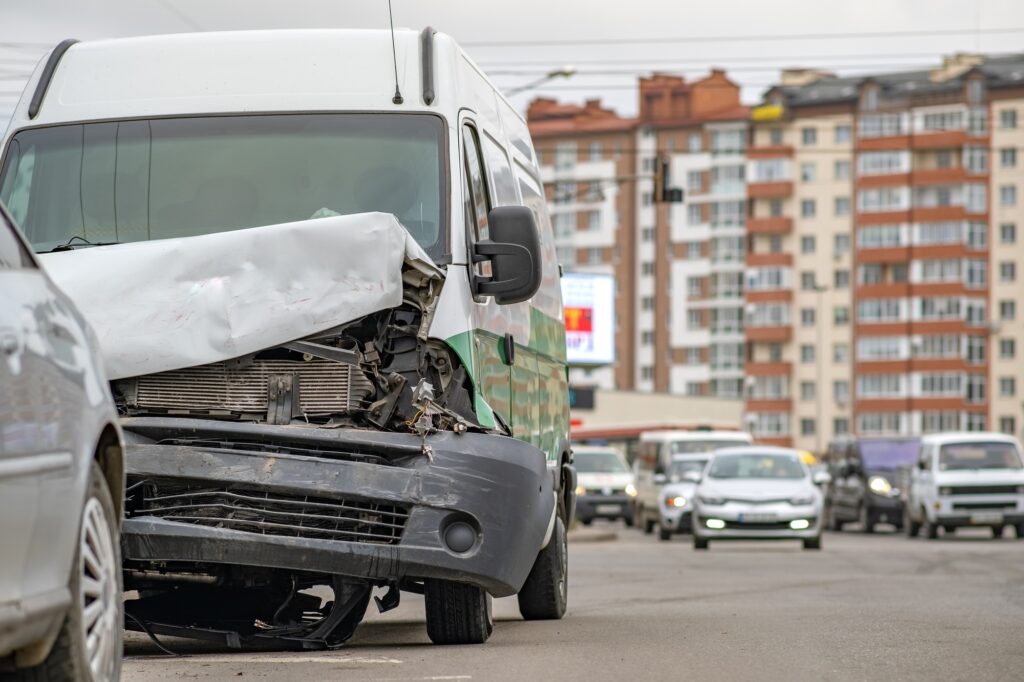
When involved in a car accident, it’s crucial to follow proper accident scene procedures to ensure safety and gather necessary information. First, move to a safe location if possible and turn on your hazard lights to alert other drivers. Check for any injuries and call emergency services immediately if anyone is hurt. Next, exchange information with the other party, including names, phone numbers, and insurance details. Take photos of the damage to both vehicles and any relevant evidence, such as skid marks or debris. If the accident involves a parked car, make a reasonable effort to locate the owner and notify them of the incident. Documenting the scene thoroughly will be invaluable for your insurance claim and any potential legal issues.
Nevada follows a modified comparative negligence system. This means that while the moving driver is typically presumed at fault when colliding with a parked car, any contributory negligence on the part of the parked car’s owner, such as illegal parking, may be considered. However, if you inadvertently hit a parked car, the bulk of available evidence (photos, witness accounts, and damage assessments) will usually support your responsibility.
It is also worth noting that accident reporting obligations under Nevada’s local laws can vary. For example, if an accident results in property damage that may be estimated in repair costs between 4781$-5000$ dollars, or exceeds a certain monetary threshold (commonly around $750), prompt reporting to the appropriate authorities is critical.
Even minor accidents may have significant legal implications. In Nevada, you are required to report any incident involving property damage to local law enforcement and, in many cases, to the Department of Motor Vehicles within a specified time frame.
Failure to comply with these requirements may result in severe penalties, including fines, loss of demerit points on your driving record, and potential increases in your car insurance premiums. In more serious cases, especially if you leave the scene without notifying the proper authorities, you could face hit-and-run charges or, in extreme circumstances, criminal charges.
Additionally, any incident may affect your driving record for years to come, influencing future interactions with both law enforcement and your insurance provider.
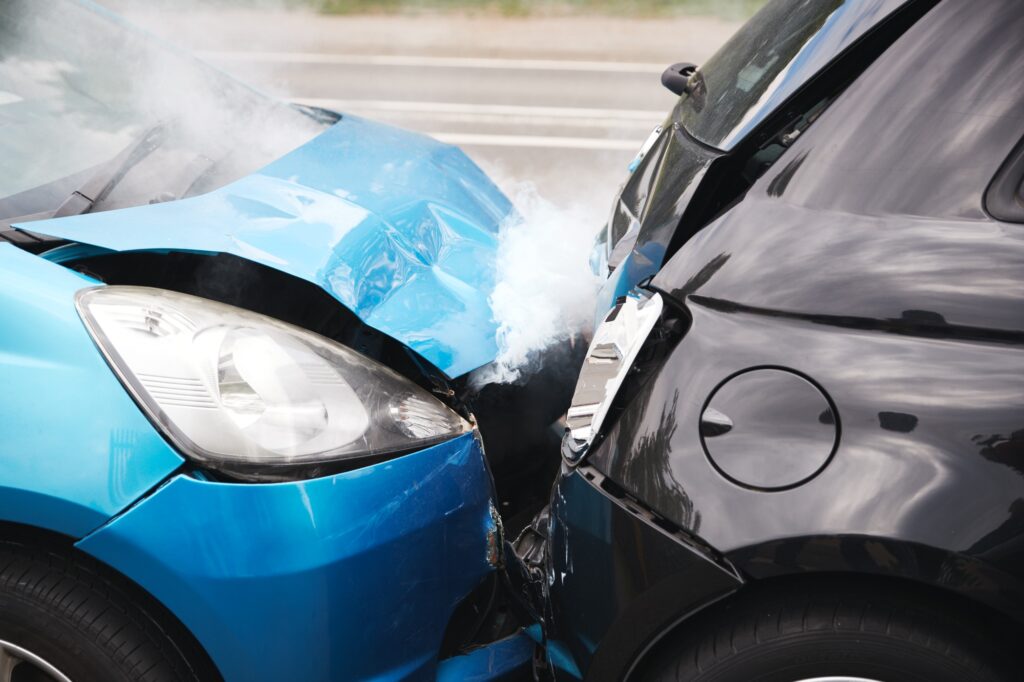
Police involvement is a critical aspect of car accidents, especially when hitting a parked car. If the accident results in significant damage or injury, it’s essential to contact the police, even if you’ve been in a minor car accident, to document what happened. Then, reach out to an attorney for help seeking compensation. They will provide a police report, which is necessary for insurance claims and potential legal proceedings. Be honest and cooperative with the police, providing them with accurate information about the incident. If you’re unsure about what to say or do, consider consulting with a car accident lawyer to ensure your rights are protected. A police report not only helps in documenting the accident but also serves as an official record that can support your case.
The moments following an accident are crucial to minimizing both the financial and legal fallout. First and foremost, remain calm and ensure that you pull over safely if traffic conditions allow.
Carefully inspect both your vehicle and the parked car for any signs of damage. Use your smartphone or camera to take high-resolution photos from multiple angles. Record details such as the exact location, conditions of the scene, and any relevant identifiers like the parked vehicle’s license plate.
If the vehicle owner is present, approach them courteously and provide your insurance information. In situations where the owner is absent, leave a detailed note under the windshield wiper that includes your name, contact details, a brief explanation of the event, and your intent to notify both law enforcement and your insurance company.
Staying at the scene until a formal record can be established is essential. If possible, contact the non-emergency police number to file a preliminary report, which will be useful for subsequent insurance and legal proceedings.
Gathering evidence is vital in car accidents, particularly when hitting a parked car. Start by taking clear photos of the damage from multiple angles, including close-ups and wide shots. Collect witness statements from any bystanders who saw the accident happen. Preserve any physical evidence, such as broken glass or debris, and document the accident scene, including the location, time, and weather conditions. If possible, obtain surveillance footage from nearby security cameras or dash cams. This comprehensive evidence will help support your insurance claim and any potential legal proceedings, ensuring that you have a strong case should any disputes arise.
Once you have secured evidence and notified law enforcement, contact your insurance carrier at the earliest opportunity. Provide them with a factual, detailed account of the incident, including the time, location, and extent of any damage.
Be transparent about the circumstances, even if it appears that you only inadvertently hit the parked car. Demonstrating your commitment to honesty can help mitigate possible increases in your insurance premiums.
If additional evidence, such as a police report or witness testimonies, is obtained later, share this information promptly with your insurer. This proactive approach will also support any negotiation with the other party’s insurance representative or when consulting with a car accident lawyer.

Determining fault in such incidents can be challenging. Generally, when a moving vehicle collides with a parked car, Nevada law presumes that the moving driver is primarily responsible. Nonetheless, aspects such as the parked vehicle’s improper positioning or illegal parking can sometimes influence fault apportionment.
Insurance companies and legal authorities will scrutinize every detail—from the location of the damage to the conditions at the time of the accident—to decide on liability. Accurately documenting all evidence becomes paramount in ensuring that any claims are fairly assessed and that liability coverage is appropriately applied.
Sometimes, you may become aware of the accident only hours or days after leaving the scene. Discovering previously unnoticed damage can be unsettling, but it is imperative to address the situation promptly.
If you notice new evidence, such as additional scratches on your damaged vehicle or eyewitness accounts, return to the scene if it is safe to do so. Re-document the location with updated photographs and detailed notes comparing the initial observations with the current state.
Immediately inform both local law enforcement and your insurance company of these new findings. Being forthright about a delayed discovery is essential, as any discrepancies might later impact your claim or legal standing.
Consulting with a knowledgeable car accident lawyer can also be beneficial to determine if the delay in reporting affects your case and to ensure that all documentation meets the required legal standards.
Drivers often have several concerns following an incident like this, including whether reporting a minor accident will result in higher car insurance rates. Common questions include whether delays in reporting could classify the incident as hit-and-run.
It is important to understand that timely and transparent communication with your insurance company is key to minimizing adverse outcomes. Insurance carriers evaluate incidents based on the completeness of evidence, the accuracy of your report, and your overall claim history.
For example, if you provide clear photographic evidence, accurate notes, and a police report, you are less likely to face significant premium hikes or misunderstandings regarding fault. Always check your policy’s specific requirements regarding accident reporting, as some policies have strict deadlines.
Expert advice from seasoned car accident lawyers and insurance experts emphasizes preventive measures that can help avoid similar incidents in the future. Practicing safe driving techniques—especially in crowded parking lots or apartment complexes—plays a crucial role in accident prevention.
Maintaining heightened awareness, avoiding distractions, and keeping a safe distance from parked vehicles are simple yet effective strategies. Moreover, investing in dash cameras and other security devices can provide critical, unbiased evidence in the event of an accident, often serving to substantiate your claim and highlight the importance of having collision coverage.
It is also important to avoid common pitfalls such as delaying accident reports or making hasty statements at the scene. Preserving a clear, factual account while documenting all evidence will protect your legal rights and simplify future interactions with both law enforcement and insurers.
If you unknowingly hit a parked car, it’s important to stay calm and take the proper steps at the accident scene. Whether the parked vehicle was parked illegally or not, leaving without providing information could lead to hit-and-run charges. First, try to locate the owner of the other car; if you cannot, leave a note with your contact details. Document the damage to both vehicles with photos. Notify your insurance company promptly, as your car insurance policy may cover damages depending on your coverage. Failing to report the car accident could negatively impact your insurance claim and potentially raise your insurance rates. If you experience difficulties with your insurance carrier or if significant damage occurred, contacting a car accident lawyer can help protect your rights. Remember, even if you accidentally hit a parked car, being proactive and honest is crucial, and your car insurance policy may assist you in handling the situation properly.
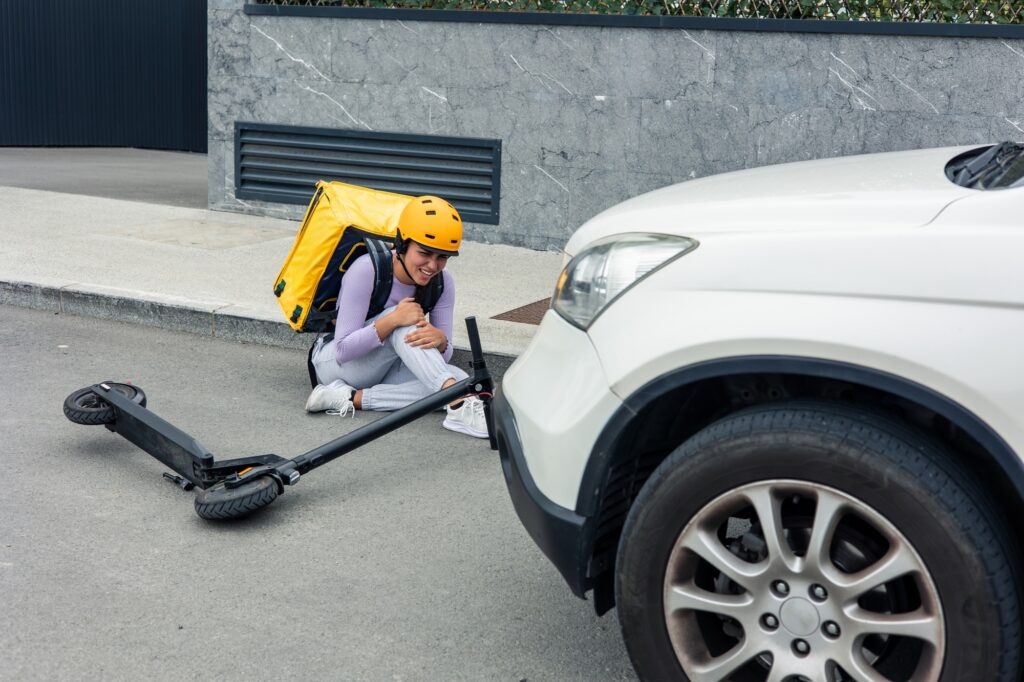
If you ever find yourself in a situation where you unknowingly hit a parked car, remember that your immediate response is key to a favorable legal and insurance outcome. Whether the damage is a minor scratch or a small dent, every detail is important.
Taking swift action by documenting the scene, notifying the proper authorities, and communicating honestly with your insurance company not only protects you from potential hit-and-run charges or criminal penalties but also reinforces your commitment to responsible driving.
By understanding and adhering to the specific nuances of Nevada law, including the principles of comparative negligence and reporting thresholds, you will be better prepared to manage the aftermath of any accident. Stay informed, exercise caution, and consult with a qualified Nevada personal injury lawyer when needed.
Drive safely, remain vigilant, and ensure that comprehensive, responsible action guides you through any unexpected challenges on the road.

Disclaimer: The information on this website is for general information purposes only. Nothing on this site should be taken as legal advice for any individual case or situation. This information is not intended to create, and receipt or viewing does not constitute an attorney-client relationship. Past results do not guarantee, warrant, or predict future cases. You may have to pay the other side’s attorney’s fees and costs in the event of a loss.
Pacific West Injury Law • Greater Las Vegas’ Award-Winning Injury Attorneys • #bluebearcares
This site is protected by reCAPTCHA and the Google Privacy Policy and Terms of Service apply.