
Imagine stepping outside to find your parked car dented or scratched by an unknown driver. Suddenly, you’re faced with the daunting question: what to do when someone hits your car?
In the confusion following a car accident, knowing the correct steps to take is essential to protect yourself, your vehicle, and your financial interests. This guide provides a structured, step-by-step approach that covers everything from assessing the accident scene to navigating the claims process with your insurance company.
Taking prompt action is crucial—not only for your well‐being but also to secure reliable evidence that supports your case. When you know what to do when someone hits your car, you can handle the situation confidently and avoid common pitfalls that might complicate your insurance claim or lead to disputes later on.
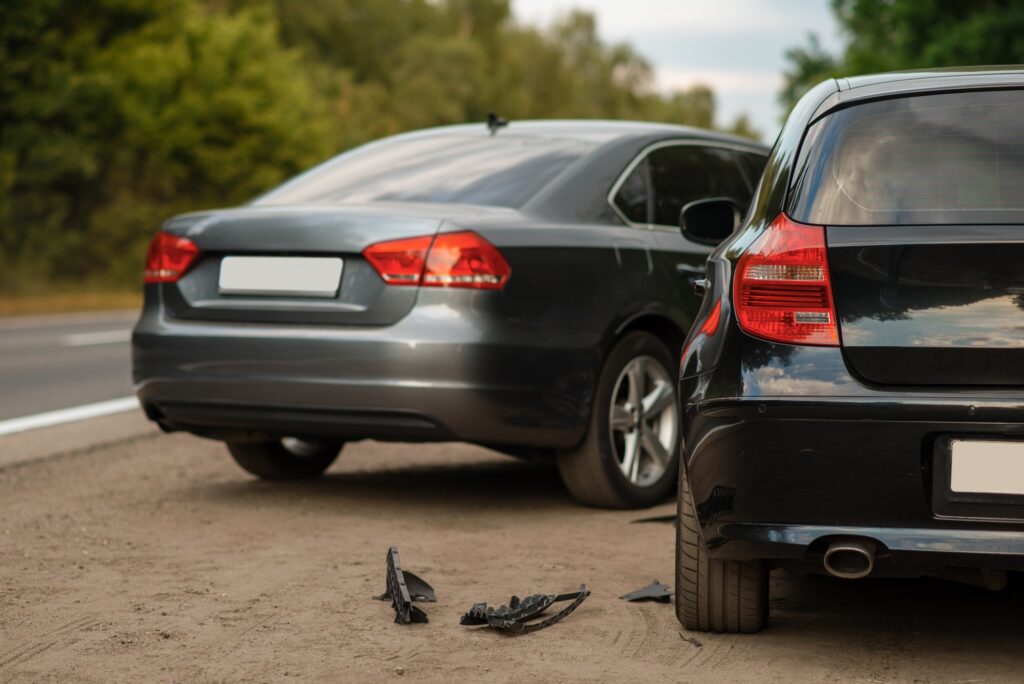
By following the steps outlined in this guide, you’ll understand how to secure safety at the accident scene, document all the important details, exchange necessary information with the responsible party, and contact both authorities and your insurance agent. Let this comprehensive article be your reference point for managing every aspect of a car accident effectively.
Your immediate priority after a collision is to ensure everyone’s safety. When someone hits your car, first check yourself, any passengers, and the other driver for injuries. If there are any injuries, call for medical assistance without delay. Safety must always come first, even before initiating insurance claims or filing a police report.
Once safety is confirmed, move your vehicle to a secure location if it is safe to do so. Shifting your car away from busy roads or intersections helps prevent additional accidents and minimizes property damage. If your car is parked in a dangerous spot, activate your hazard lights and use warning triangles or flares to alert oncoming traffic. Establishing a secure accident scene not only protects everyone involved but also preserves the physical evidence needed for a valid accident report.
Taking a few moments to clear the accident scene carefully ensures that you can later provide as much information as possible about the collision. Always remember that concerns related to injuries or dangerous conditions must be addressed before any documentation or conversation with the other party begins.
After securing the scene and confirming that no one is injured, begin gathering evidence. This step is critical in determining repair costs and supporting your insurance claim. Use your smartphone or camera to take high-resolution pictures of both vehicles from multiple angles, ensuring you capture every detail of the vehicle’s damage. Be sure to photograph the collision from different perspectives to document both the location and the severity of the impact.
Include clear images of the license plate numbers, any visible dents or scratches, and the surrounding areas where the accident occurred. Capturing environmental conditions—such as poor lighting, wet surfaces, or obstructions—can serve as decisive evidence when explaining what to do when someone hits your car. Every detail plays a role during the investigation and insurance claim process, as even subtle damages or discrepancies could affect how repair costs are determined.
In addition to visual documentation, write down notes about the accident. Record details such as the exact location, time, weather conditions, and the layout of the scene. The more thorough your evidence collection, the easier it will be for both the police and your insurance agent to understand what happened. Detailed documentation can help resolve any disagreements regarding damage assessments and repair estimates.

Even if the collision appears minor, it is vital to exchange contact and insurance information with the other driver. Politely request the other driver’s full name, phone number, email address, driver’s license information, and vehicle registration details. Ask for their insurance policy number and the name of their insurance company. This step is indispensable to processing your insurance claim later.
Avoid discussing who is at fault during these initial exchanges. Refrain from making statements that could be interpreted as an admission of guilt; instead, focus on collecting all the necessary data. Verify the other party’s license plate number and take note of any visible vehicle damage. This information, along with witness accounts and photographs, will support the claims process with your insurer.
Exchanging complete contact and insurance information not only protects your legal rights but also lays the groundwork for a smooth claims process. Keeping your composure and communicating clearly during these exchanges can prevent future complications with your insurance claim.
After you have collected the necessary evidence and exchanged information, it is crucial to contact the police. Filing a police report establishes an official record of the accident and is essential for both legal protection and processing your insurance claim. When you call the police, provide them with a clear and factual account of what occurred.
Explain the sequence of events and share all the documented evidence, including photographs, written notes, and any witness contact details. A thorough police report can support your insurance claim by reinforcing your version of the collision. Law enforcement officers may use this report to initiate an investigation, particularly if the circumstances are unclear or if a hit-and-run is suspected.
By filing an accident report promptly, you help ensure that all aspects of the car accident are recorded accurately. This official documentation will also serve as a reference later when coordinating with your insurance agent or insurer about repair costs and deductibles.
Occasionally, you may encounter situations in which the other driver leaves the scene without providing the necessary details. In hit-and-run cases, or if the responsible party fails to leave a note, act immediately. Write down any identifying details such as the make, model, color, and license plate number of the other vehicle, if visible. These details are vital for initiating an investigation and for filing both a police report and an insurance claim.
Search the accident scene for witness accounts or surveillance cameras that may have captured the incident. Ask bystanders if they saw the other driver depart or if they can provide any additional information. Sometimes, discreetly asking nearby businesses or residents can yield critical details. Even if this process takes extra time, ensuring that the responsible party is identified is essential for upholding your rights as the affected party.
If a hit-and-run occurs, report every detail you can gather. Document the vehicle’s physical description and the exact location of the accident meticulously. These details will aid the police during their investigation and help your insurance company determine the extent of property damage and cover repair costs appropriately.
After filing the police report and gathering as much evidence as possible, your next crucial step is to contact your insurance agent or insurer. Time is of the essence when determining what to do when someone hits your car, as any delays may hinder the claims process. Inform your insurance company about the accident immediately and provide them with a complete account of the incident.
Share the police report, photographs of the vehicle damage, and any documented witness contact details with your insurance agent. Prompt notification can help expedite the insurance claim process, ensuring that you receive the necessary support and coverage for repair costs. Your insurance agent can guide you through the claims process, including setting up appointments with adjusters or recommending reputable repair shops.
Being proactive with your insurance company demonstrates responsibility and attention to your policy requirements. Thoroughly verifying your insurance information and policy coverage is essential in protecting your rights and ensuring that the other driver’s details are not misrepresented during the claim review.

Before you proceed too far into the claims process, take the time to review your insurance policy. Understanding your coverage options allows you to determine if collision coverage, hit-and-run provisions, or deductible conditions apply to your situation. This step is especially important when deciding what to do when someone hits your car and how to manage potential repair costs.
Read through your policy documentation carefully and, if needed, ask your insurance agent to explain any ambiguous details. Knowing the limitations and benefits of your policy can help you negotiate with the responsible party’s insurance company and prepare for any questions during the claims process. With a comprehensive understanding of your coverage, you can confidently move forward, discussing repair costs, property damage, and any additional liabilities that might arise.
Armed with accurate policy details, you lower the risk of future disputes with your insurer. Ensuring you know your rights and obligations will help you work efficiently through the claims process and secure the best possible outcome for your car accident case.
An efficient claims process hinges on the thorough submission of documentation. Once you have gathered all the necessary details—from the accident report to the evidence you collected—compile every document meticulously. This includes the police report, high-quality photographs, written witness statements, the insurance information exchanged at the scene, and your notes about the incident.
Submit all these documents to your insurance agent as soon as possible. Providing comprehensive evidence enables insurance adjusters to verify your account and accurately determine the extent of the vehicle damage. Drivers who document every detail often experience faster claims approval and reduced repair delays. A well-organized submission not only adds credibility to your case but also helps quantify repair costs, deductible amounts, and overall coverage specifics.
Taking the time to ensure that every piece of evidence is in order can significantly streamline the process. Remember, the more detailed and precise your documentation, the better your chances of a favorable outcome during the subsequent investigation and insurance settlement.
Soon after you file your claim, an insurance adjuster will be assigned to inspect your vehicle and evaluate the damage. It is important to work closely with the adjuster, providing any additional information or clarification as needed. Don’t hesitate to ask for a detailed breakdown of the repair estimates; understanding how the insurer calculates costs for collision damages, paint repairs, and other necessary fixes is crucial.
If you believe the estimate is too low or suspect that the proposed repairs do not cover all aspects of your vehicle’s damage, consider seeking a second opinion from a reputable repair shop. Transparent communication with your insurance agent and adjuster can help mitigate any discrepancies, ensuring that the outcome of your insurance claim is both fair and accurate.
Collaboration during the inspection process benefits both parties. The adjuster’s detailed assessment, combined with your organized evidence and documentation, supports a negotiation that accurately reflects repair costs and minimizes potential disputes over the claims process.
Navigating the aftermath of a car accident can be stressful, and it is easy to make mistakes that may negatively impact your claims process. One common error is admitting fault or accepting blame on the spot. Even if you believe you may share some responsibility, it is best to remain calm and collect all the details before discussing the fault with the other party or their insurance agent.
Another pitfall is failing to carefully document the accident scene. Omitting details like weather conditions, the exact location or witness statements can weaken your accident report and overall case when you submit your claim. Neglecting to exchange complete contact and insurance information—or signing documents without reviewing them properly—can complicate the resolution of repair costs. Such errors might also lead to disputes regarding the extent of property damage or responsibility for the collision.
By being aware of and actively avoiding these common pitfalls, you can safeguard yourself against future complications. Patience and thorough documentation are your best tools in managing every aspect of the post-accident process. Taking care to note every detail ensures that the incident is recorded accurately, which in turn protects your rights in any legal or insurance-related proceedings.
To further protect your rights after an accident, adhere to established best practices. First, remain calm even if emotions run high after a car accident. Taking a few deep breaths before speaking can prevent any inadvertent admissions of fault. Always insist on gathering every piece of necessary information and refrain from making hasty decisions.
Next, make it a habit to take clear pictures immediately following the accident. Photographs that capture the sequence of events, road conditions, and vehicle damage provide invaluable context. Additionally, always consult your insurance policy for guidance on the claims process. It’s advisable to notify your insurance company right away and meticulously document any interactions and responses from the responsible party.
Using a checklist can help you stay organized during this hectic time. List tasks such as calling the police, photographing the vehicle, exchanging contact information, and notifying your insurer. This proactive approach ensures that no critical step is overlooked. Protecting your rights means staying prepared and not hesitating to seek clarification on any part of the claims process, whether it involves deductible details or re-evaluating repair costs.
After initiating your insurance claim, maintaining regular communication with your insurer is vital. Checking in with your insurance agent or representative on the status of your claim can help you stay updated on any developments regarding repair estimates or additional documentation requirements. Timely follow-ups not only reduce confusion but also ensure that the claims process moves forward without unnecessary delays.
Keep a dedicated file for all related documents, including the police report, photographs, and any communications with the insurance company or witnesses. Having a well-organized record means you can easily reference details throughout the investigation. Staying informed at every stage of the claims process empowers you to address discrepancies immediately and maintain control over repair cost resolutions and potential disputes related to vehicle damage.
Moreover, if you find any part of the process confusing or unclear, don’t hesitate to ask your insurance agent for additional guidance. The more informed you remain, the more effectively you can manage and track every detail of your claim—ensuring that nothing is overlooked that might impact the final settlement.
In certain situations, the claims process may become particularly complex. If you encounter difficulties or feel that your insurance company’s response is not meeting your expectations, consider seeking professional advice. Consulting with a legal advisor who specializes in motor vehicle incidents or hiring a professional claims consultant can provide much-needed clarity and help navigate complicated scenarios such as disputes over repair costs or ambiguous liability issues.
Expert advice becomes crucial in unusual cases—for example, in a hit-and-run incident or when the available evidence appears incomplete. A professional’s insights can help you determine the best course of action to file a comprehensive accident report and ensure that all insurance information is accurately recorded. Whether it’s reviewing the accident report or determining how to file a proper claim for property damage, professional guidance can bolster your confidence and safeguard your rights throughout the entire process.

If you’re the victim of a hit-and-run, immediately document the scene. Take photos of the damage, surrounding area, and any debris. Look for witnesses or nearby surveillance cameras that may have recorded the incident. Then, file a police report and notify your insurance provider. Your collision or uninsured motorist property damage (UMPD) coverage may help with repair costs, depending on your policy.
Yes, it’s always a good idea to call the police, even if the damage seems minor. A police report provides an official account of the incident, which strengthens your insurance claim and helps resolve disputes. In some states, including Nevada, reporting is required by law when there is property damage or injury.
It depends on your insurer and your claims history. If you’re not at fault, many insurance companies won’t raise your rates—but this isn’t guaranteed. Some policies offer accident forgiveness, while others may still increase premiums after any claim. Always review your policy and ask your agent for clarification before filing.
Handling the aftermath of a car accident requires both prompt action and careful deliberation. By understanding exactly what to do when someone hits your car, you empower yourself with the knowledge needed to secure safety, document the incident comprehensively, and communicate effectively with both the police and your insurance company.
Taking the time to document every detail—verifying license plate numbers, capturing high-quality photographs, and understanding your insurance policy—is foundational. Each step builds a robust case that not only supports your claim for repair costs but also protects you from legal complications and discrepancies during the claims process.
Ultimately, being prepared and informed about what to do when someone hits your car gives you the upper hand in a stressful situation. Whether you are facing a minor fender-bender or a more involved collision, following this comprehensive guide will help protect your rights, minimize repair delays, and facilitate a smoother insurance claims process.
Embrace these practices as essential tools in your strategy to navigate motor vehicle incidents safely and effectively. Transitioning from what might initially seem like an overwhelming event to a manageable process, you can safeguard both your vehicle and your financial future.
This article is for informational purposes only and does not constitute legal advice. For advice regarding your specific circumstances, please consult Pacific West Injury Lawyer.


Disclaimer: The information on this website is for general information purposes only. Nothing on this site should be taken as legal advice for any individual case or situation. This information is not intended to create, and receipt or viewing does not constitute an attorney-client relationship. Past results do not guarantee, warrant, or predict future cases. You may have to pay the other side’s attorney’s fees and costs in the event of a loss.
Pacific West Injury Law • Greater Las Vegas’ Award-Winning Injury Attorneys • #bluebearcares
This site is protected by reCAPTCHA and the Google Privacy Policy and Terms of Service apply.