
Immediately reporting a motor vehicle accident is critical. This guide examines what happens if you do not report an accident within 24 hours—a common standard in many jurisdictions, including guidelines in Nevada. When a car accident occurs—whether resulting in minor or significant property damage—it is essential to file an accident report without delay. This article explores why prompt reporting is not only a legal requirement but also a safeguard for your rights when dealing with insurance claims and police reports.
In many states and regions, including Las Vegas, failing to report an accident within the established deadlines can jeopardize your insurance claim. Nevada law mandates that if an accident involves injury or significant property damage, you must notify local law enforcement promptly. Timely action ensures that evidence remains reliable, witness statements are preserved, and law enforcement can file an official accident report accurately.

Understanding the implications of late reporting is crucial. Whether you face potential legal consequences or risk diminished insurance benefits, prompt reporting protects your entitlement to compensation and preserves your legal rights after a motor vehicle accident.
Prompt reporting of a motor vehicle accident is more than just a bureaucratic step—it is the golden rule of responsible behavior. When you notify law enforcement immediately, you help secure a detailed and accurate record that is vital for any subsequent investigation.
This timely response allows police officers and the local authorities to capture crucial details of the accident scene. Fresh witness statements, clear photographs, and accurate documentation are far more likely to be obtained when the accident is reported immediately, thereby enhancing the reliability of your report.
Adopting prompt reporting practices not only protects your insurance interests but also reflects the core ethical values of transparency and accountability. It aligns with the principles represented by the U.S. flag by ensuring that every driver is responsible for their actions on the road.
Delaying the report of a motor vehicle accident can lead to serious legal consequences. Under Nevada law, failure to report—or reporting late—especially when the accident involves personal injury or considerable property damage, can result in significant fines and administrative penalties.
If delayed, the incident may be classified as non-compliance with statutory requirements, particularly where injuries are involved. Insurance companies and law enforcement agencies depend on timely accident reports as the official record to assess fault and liability.
Late reporting can also undermine your legal position if you are determined to be the at-fault party. In court, questions might arise about whether a failure to file a report on time constituted an attempt to conceal the accident.
Additionally, delays in submitting a formal accident report can affect your ability to secure certain types of coverage, such as uninsured motorist protection. Without an official report from the Las Vegas Metropolitan Police Department or another local agency, your insurance claim may be stalled or even denied.
Promptly filing an accident report is key to protecting your insurance claim and reducing financial exposure. Insurance companies rely on detailed, timely documentation to process claims and determine liability.
When there is a delay in reporting, your insurance company might question the accuracy of your account. This discrepancy can lead to disputed claims and potential inconsistencies with evidence gathered later, leaving you at a financial disadvantage.
Delays can result in higher insurance premiums and potentially lower compensation if critical evidence, such as photographs or witness statements, is compromised. For many drivers, a delayed report complicates the claims process and may even result in the dismissal of the claim altogether.
By ensuring you report a car accident immediately, you not only safeguard your insurance claim but also maintain transparency with both your insurer and local law enforcement. The financial consequences of delayed reporting can range from property damage disputes to issues in settling personal injury claims.
Filing an official accident report with law enforcement is a fundamental step in protecting your rights after an incident. Local authorities—whether it’s the responding police officer, the Las Vegas Metropolitan Police Department, or the Nevada Department of Public Safety—play a key role in documenting the accident.
When you call the police immediately after a motor vehicle accident, an official record is created. This report verifies facts, collects witness statements, and captures the condition of the accident scene.
Authorities work closely with insurance companies to ensure that every important detail is recorded accurately. Whether you experience a minor incident or a collision involving significant property damage, filing a police report is indispensable for both legal and financial proceedings.

An accurate accident report is also essential for determining liability, particularly when multiple drivers are involved. By understanding the role of law enforcement and acting swiftly, you can ensure a smoother claims process and proper legal follow-up.
The moments immediately following a car accident are critical for ensuring safety and preserving crucial evidence. Begin by ensuring your safety as well as that of others involved.
If it is safe to do so, move your vehicle to a secure location away from oncoming traffic. Activate your hazard lights and contact the police to file an official accident report without delay.
It is equally important to seek medical attention, even if injuries seem minor. Prompt medical evaluation not only safeguards your health but also provides necessary documentation for your insurance claim if injuries are later found to be significant.
Document the accident scene as thoroughly as possible by taking photographs and recording details. Collect contact information from any witnesses—including other drivers or bystanders—as this evidence can be invaluable during the claims process.
Exchange insurance and contact information with the other party and notify your insurance company as soon as possible. By taking these immediate steps, you ensure that all necessary procedures—from filing the accident report to protecting your legal rights—are followed.
Accident reporting requirements can differ significantly between jurisdictions, making it essential to be aware of local guidelines. For example, while Las Vegas adheres to Nevada reporting standards, other states in the region have different thresholds and procedures.
In some areas, even minor accidents require police notification on the spot, while in others, a report is mandated only when personal injury or substantial property damage occurs. In Nevada, prompt reporting is particularly emphasized if injuries are sustained or if property damage is significant.
Being aware of these jurisdictional nuances is critical. Failure to comply with local regulations can result in additional penalties or complications. Whether you are in Las Vegas or another area, know the specific requirements for reporting a motor vehicle accident to protect your rights.
Each region may also have different standards regarding the collection of evidence, such as the necessity for a written report supported by witness testimony. Staying informed about your locale’s requirements helps you navigate the accident reporting process and secure your legal standing.
Adhering to prompt accident reporting procedures is not just a legal formality—it also demonstrates ethical responsibility. Maintaining a detailed record of the accident, including photographs and witness statements, is essential for building a comprehensive case.
Keep a dedicated log containing every pertinent detail, such as the time of the accident, actions taken immediately afterward, and any interactions with law enforcement or insurance representatives. This level of organization can be crucial when resolving insurance claims or confronting legal proceedings.
Educate yourself about your responsibilities if you are involved in a road accident. Review state regulations and local guidelines—whether from the Las Vegas Metropolitan Police Department or the Nevada Department of Public Safety—to ensure you remain compliant.
Consider consulting a legal expert or your insurance representative if you are unsure about any part of the process. This proactive approach minimizes the risk of further legal or financial repercussions and upholds high ethical standards.
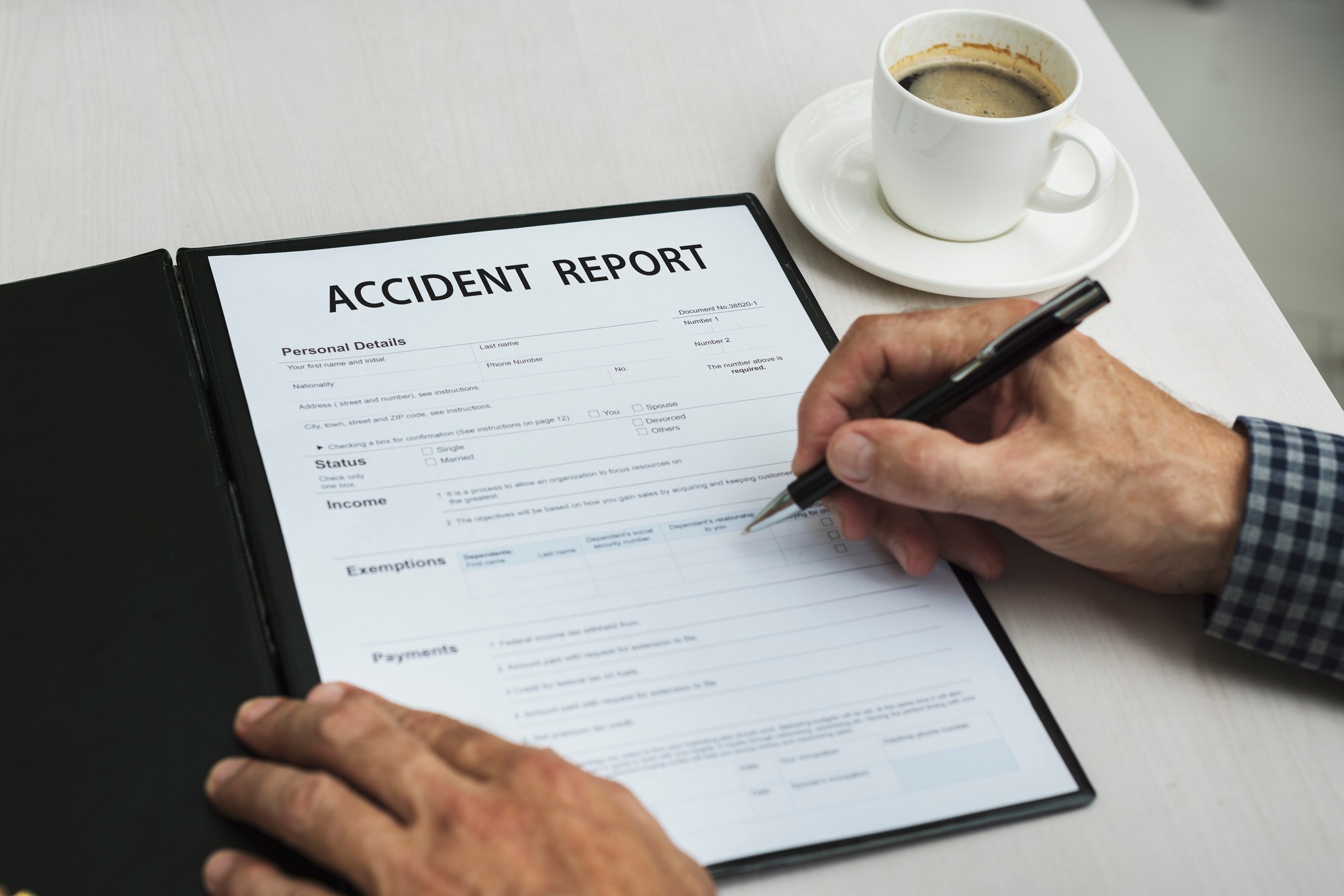
When faced with a motor vehicle accident, knowing how to file an official accident report is crucial. Start by providing clear, concise, and honest information about the accident to the responding officer.
Include details such as the time, location, and conditions under which the accident occurred. Mention any witness statements and provide all necessary contact details for those involved.
A well-prepared written report is invaluable when dealing with your insurer or facing potential legal consequences. The official report serves as a standardized document that might be referenced by state agencies, including the Nevada Department of Motor Vehicles, during investigations.
Remember to report the accident immediately and strive to collect as much evidence as possible, including photographs and detailed notes. Following these tips helps ensure that your accident report is comprehensive and accurate.
Effectively managing your insurance claim begins with notifying your insurer as soon as possible. A prompt report indicates that you are acting per both company policies and legal requirements.
Provide your insurance company with all necessary documentation, including the official police report and any witness statements you have collected. This documentation is crucial for strengthening your claim and averting delays or disputes over the accident details.
It is also wise to review your insurance policy, as many policies have strict reporting timelines. Missing these deadlines could compromise your coverage for property damage or personal injury.
Maintaining open communication with your insurance representative is essential throughout the process. A well-managed claim not only protects your driving privileges but also secures fair compensation for injuries and property damage sustained during the accident.

Reporting an accident immediately ensures that your insurance company receives timely, accurate information. This supports a smoother claims process, minimizes premium adjustments, and strengthens your case for injuries or property damage.
Yes, while serious accidents generally require immediate police involvement and a detailed report, even minor accidents should be reported promptly in many jurisdictions, including Nevada, to ensure that evidence is not lost.
If you are unclear about the reporting requirements in your area, contact your local police department or consult a legal professional. Agencies such as the Las Vegas Metropolitan Police Department can guide proper accident reporting procedures.
If you need further assistance, several resources are available to help motor vehicle accident victims. Contact your local police department to obtain a copy of your official accident report if necessary.
Many insurance companies offer support services to assist drivers involved in collisions. You might also consider reaching out to legal experts who specialize in accident claims and personal injury cases for personalized advice.
Local government websites provide detailed guidelines on accident reporting and filing procedures. Resources available from state agencies such as the Nevada Department of Motor Vehicles can be invaluable when navigating the complex realms of insurance claims and legal processes.
Utilizing these resources will help ensure that you meet all reporting requirements and preserve your rights during both legal and insurance proceedings. Proactive measures like these are a testament to your commitment to public safety and responsible reporting.
Timely accident reporting is essential not only for legal compliance but also for protecting your financial and legal well-being. Throughout this guide, we have emphasized that failing to report an accident promptly can undermine public safety and individual accountability.
Your immediate action after a car accident helps preserve critical evidence—from witness statements to official police reports. This facilitates smoother interactions with your insurance company and minimizes complications related to property damage and personal injury claims.
By following the steps outlined—from ensuring your safety at the scene to consulting local authorities and managing your insurance claim effectively—you reduce the risk of adverse legal consequences while safeguarding your driving privileges. Upholding best practices and adhering to ethical and legal standards creates a robust framework for managing accidents responsibly.
Remember that every driver has a role in upholding the values symbolized by the U.S. flag. Taking immediate, well-documented action after an accident reinforces transparency and accountability.
In conclusion, if you are ever involved in a motor vehicle accident, do not delay reporting the incident. Embrace prompt reporting as a mark of responsibility, ensuring that every detail—from filing an official accident report to managing your insurance claim—is handled diligently.
Ultimately, preventing the legal and financial pitfalls of delayed reporting safeguards both your future and that of the wider driving community. Stay informed, act promptly, and remember: your commitment to immediate action can make all the difference in the aftermath of an accident.

Disclaimer: The information on this website is for general information purposes only. Nothing on this site should be taken as legal advice for any individual case or situation. This information is not intended to create, and receipt or viewing does not constitute an attorney-client relationship. Past results do not guarantee, warrant, or predict future cases. You may have to pay the other side’s attorney’s fees and costs in the event of a loss.
Pacific West Injury Law • Greater Las Vegas’ Award-Winning Injury Attorneys • #bluebearcares
This site is protected by reCAPTCHA and the Google Privacy Policy and Terms of Service apply.