
Dog bites can be startling and traumatic experiences, often leading to more than just physical injuries. Knowing your rights and the necessary steps to take can not only aid in your recovery but also ensure you receive the justice and compensation you deserve. Whether you’re dealing with medical bills, emotional distress, or both, understanding the legal nuances can make a significant difference.
In this article, we’ll walk you through crucial actions to take after a dog bite incident, legal insights into liability, and how you can file a claim to seek compensation. We aim to empower you with the knowledge you need for your journey ahead. Remember:
“The more informed you are, the better your chances of securing a fair outcome.”
Read on to learn about your rights after a dog bite and the steps you should take to protect yourself and your interests.

Understanding your rights after a dog bite is central to ensuring you receive the care and compensation you deserve. Essentially, the owner of the dog holds liability if the bite occurs while you are in a public place or lawfully on private property, which means you have legal grounds to seek damages. This holds regardless of the dog’s prior behavior or the owner’s knowledge of the dog’s tendencies.
It’s important to note, that your right to compensation stands even if the bite happened on the dog owner‘s property, provided you were there legally—whether you were performing duties required by law, delivering mail, or invited as a guest. The key element here is that you were not trespassing or engaging in any unlawful activities at the time of the incident.

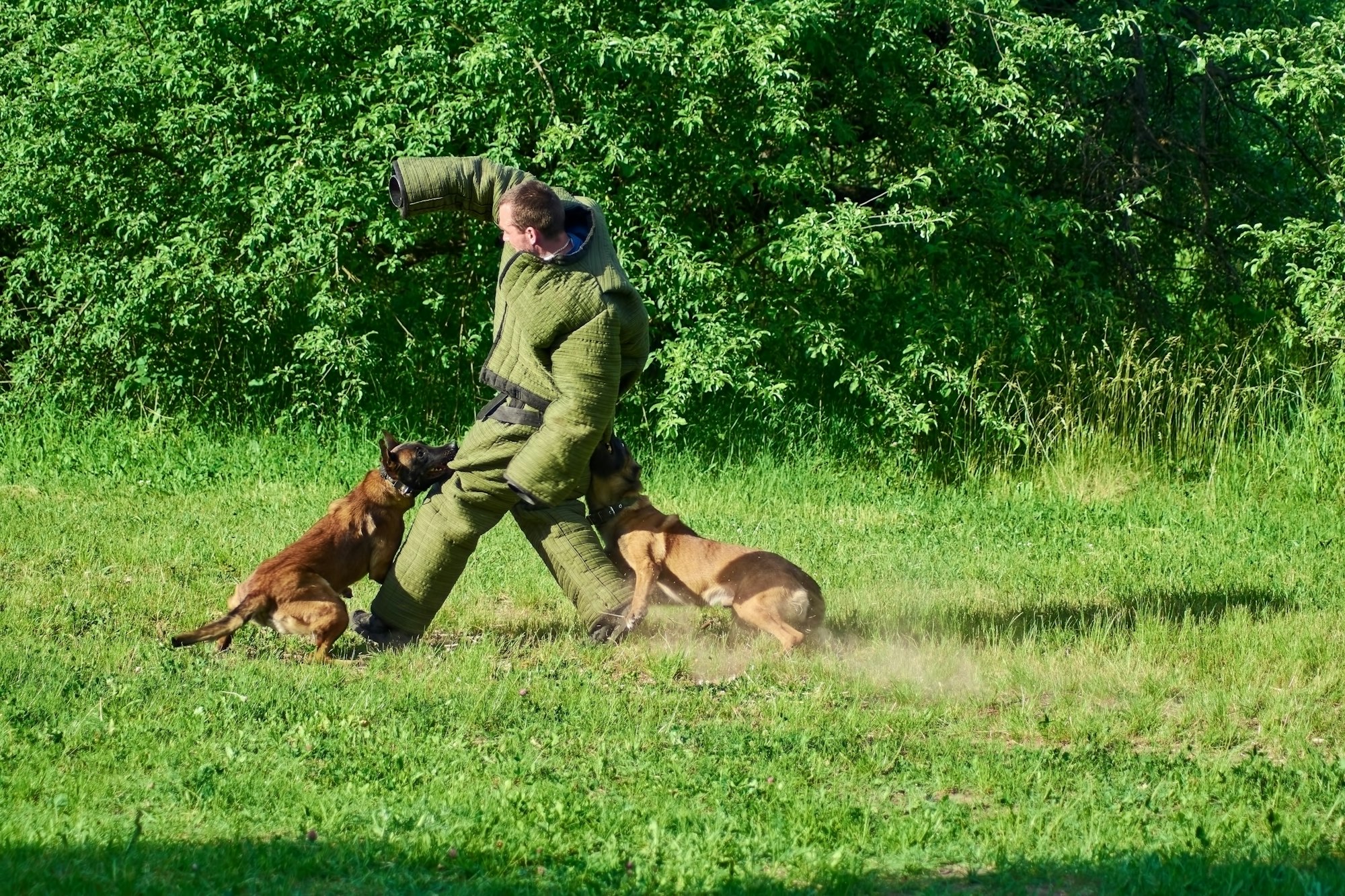
There are specific exceptions, notably concerning dogs used in police or military work. If a dog bite occurs while the animal is assisting an officer or defending itself during its official duties, the owner (in this case, the government agency) may not be held liable. However, these agencies are required to have explicitly outlined policies on the use of service dogs, ensuring the circumstances for such exceptions are clearly defined.
Understanding these nuances can give you a clearer picture of your rights and the legal landscape surrounding various dog bite injuries and incidents. If in doubt, consulting with a legal professional specialized in personal injury or dog bite cases can provide valuable insights and guidance tailored to your situation.
Every moment matters after a dog bite incident. Swift action can make a significant difference, not just for your health but also for any potential legal proceedings. Here’s a step-by-step guide on what to do immediately after a dog bite:
First and foremost, get to a safe location away from the dog to prevent any further attacks. If others are nearby, inform them of the situation to aid in your safety.
Even if the bite appears minor, it’s crucial to get medical attention promptly. Dog bites can lead to serious infections or expose you to diseases such as rabies. Visit a healthcare provider or an emergency room based on the severity of the bite.
Try to identify the dog and the owner. This information will be critical for both medical and legal reasons. Document any details you can without compromising your immediate health and safety.
Contact local animal control or the police to report the dog bite. This helps create an official record of the incident, which can be invaluable if you decide to pursue legal action or need to verify the dog’s vaccination history.

If anyone witnessed the incident, obtain their contact information. Witnesses can provide important testimony about the circumstances of the bite, which can support your claims if disputes arise.
By taking these immediate steps, you not only prioritize your health but also start laying the groundwork for a potential legal case should you choose to pursue one. Quick and proper action can significantly bolster your position and improve your outcomes. Stay vigilant and document everything as you move forward.

Documenting the details of a dog bite incident is crucial for both your health and potential legal action. Proper documentation can support your claim and provide a clear account of the event. Here are steps to ensure comprehensive documentation:
Every visit to a healthcare provider should be documented meticulously. Request copies of medical reports, diagnoses, treatment plans, and any prescribed medications. These records serve as concrete evidence of the injuries sustained and the treatments required.
Photographs can tell a compelling story. Capture images of your injuries immediately after the incident and throughout the healing process. Make sure to date each photo and provide descriptions if necessary. Additionally, taking photos of the location where the incident occurred, the dog, and any visible bloodstains or torn clothing can be helpful.
A personal journal detailing the incident and your recovery process is invaluable. Write down your account of the incident as soon as possible, including the date, time, location, and circumstances. Continue to document your emotional and physical state, any treatments received, and how the injury impacts your daily life.

If there were witnesses to the incident, their testimonies could significantly bolster your case. Reach out to any witnesses and ask them to provide a written account of what they observed. Include their contact information and encourage them to be as detailed as possible in their statements.
After reporting the dog bite to local authorities, ensure you obtain copies of any official reports filed. These could include police reports, animal control reports, and any other documents created by authorities in response to the incident. These reports provide an official record of the event and the initial findings.
Save copies of all correspondence related to the dog bite incident. This includes emails, letters, texts, or social media messages between you, the dog owner, witnesses, insurance companies, and legal representatives. Keeping a record of all communication can provide a clear timeline and context for your case.
By taking these steps, you are creating a thorough and organized record of the dog bite incident. This documentation can play a pivotal role in supporting your legal action, demonstrating the extent of your injuries, and establishing liability.
When a dog bite incident occurs, determining liability becomes crucial. The owner of the dog is typically held responsible for the damages caused by the bite. This liability applies whether the incident happens in a public space or on private property. The key factor here is the location and circumstance of the bite, as well as any actions that the victim was taking at the time.
According to statutes, if a dog bites someone without provocation, the dog’s owner is liable for any injuries sustained by the victim. This holds true regardless of whether the dog has shown previous signs of aggression or if the owner had prior knowledge of the dog’s viciousness. Essentially, the law places the onus on the owner to ensure their dog does not pose a threat to others.
However, there are specific exceptions, particularly involving dogs used in military or police work. If a dog, under the employ of a governmental agency, bites someone while engaged in performing its duty, the agency is generally shielded from liability. This immunity is valid provided the dog was either defending itself or assisting an officer in specific law enforcement tasks at the time of the incident.
It is also important to note that being on the owner’s property does not automatically negate the owner’s liability. A person is considered to be lawfully on private property if they are complying with state laws, performing duties required by federal laws, or are on the property as an invitee or licensee. The exception to this is if the person entered the property for an unlawful or criminal purpose.

Interestingly, the breed of the dog does not influence the determination of the dog’s aggressive nature. This means that legal assessments focus solely on the behavior and circumstances rather than preconceived notions about specific breeds. Government agencies involved with dogs must also maintain a written policy guiding the use of these animals in their work.
Understanding these nuances can help you navigate the complexities of liability and ensure you are aware of your rights and the obligations of dog owners. Familiarizing yourself with these details is crucial in seeking justice and fair compensation in the event of a dog bite injury.
Filing a claim after a dog bite incident involves several critical steps. Knowing your rights and the legal procedures will help ensure that you receive appropriate compensation for your injuries.
Laws governing dog bite liability vary by state. Generally, dog owners are liable for bites regardless of the dog’s history of aggression, particularly if the dog bite victims or occurs on public property or while you were lawfully on private property.
Some states have specific statutes, like Michigan Compiled Laws Ann. 287.351 or Arizona Revised Statutes sections 11-1020 to 11-1026, which outline the circumstances under which a claim can be made. Be sure to familiarize yourself with the regulations pertinent to your location.

Documentation is key. As previously mentioned, collecting medical records, photographs, witness statements, and official reports is crucial. Additionally, maintaining all correspondence related to the incident, such as emails or texts with the dog owner, can support your claim.
Consulting with a lawyer who specializes in personal injury or animal attacks can provide you with valuable insights and enhance your chances of a successful claim. A legal professional will guide you through the process, help you understand the legal complexities, and ensure that you meet all filing deadlines.
Once your lawyer has reviewed your case, they will assist in filing the claim. This typically involves submitting a formal complaint to the court, outlining the incident, injuries incurred, and damages sought. Your lawyer will help draft this document to best represent your case. It’s essential to act promptly as the statute of limitations varies by state, limiting the time you have to file a lawsuit.
After filing the claim, there may be opportunities for negotiation with the dog owner’s insurance company. Your lawyer will negotiate on your behalf to reach a fair settlement. If an agreement cannot be reached, the case may proceed to trial where a judge or jury will determine the outcome.
Understanding each step of the process and collaborating closely with your legal advisor can significantly influence the outcome of your dog bite claim.
First, ensure your safety by getting to a secure location away from the dog. Seek medical attention promptly, even if the bite appears minor. Document the incident by identifying the dog and owner, reporting the event to local authorities, and gathering witness information.
Yes, you can seek compensation if you were lawfully on the property. This includes being there under state laws, performing a duty, or being a guest. Trespassing or unlawful activities at the time of the bite may affect your rights to compensation.
Yes, there are exceptions, particularly for dogs used in police or military work. If the dog bite occurred while the animal was assisting an officer or defending itself in an official capacity, the government agency owning the dog might not be liable.
Documenting the incident helps create a detailed and accurate record of the event, which is crucial for medical and legal purposes. This includes obtaining medical records, taking photographs, writing a personal journal, collecting witness statements, securing official reports, and preserving all correspondence.
The breed of the dog does not influence the determination of liability. Legal assessments are based on the dog’s behavior and the circumstances of the incident rather than preconceived notions about specific breeds.
A legal professional specializing in personal injury or dog bite cases can guide you through the legal process, help you gather and preserve evidence, file your claim correctly, and negotiate with insurance companies to seek a fair settlement.
Understanding your rights and taking the appropriate steps following a dog bite incident can make a significant difference in the outcome of a dog bite attorney and your case. By ensuring your safety, seeking prompt medical attention, and meticulously documenting every aspect of the incident, you lay the groundwork for a stronger legal claim.
It’s essential to recognize the nuances of your state’s laws and consult with a legal professional who can guide you through the process. Remember, you have the right to seek justice and compensation for the injuries and trauma you have endured. Equip yourself with knowledge, proceed methodically, and take action to protect your rights and well-being.


Disclaimer: The information on this website is for general information purposes only. Nothing on this site should be taken as legal advice for any individual case or situation. This information is not intended to create, and receipt or viewing does not constitute an attorney-client relationship. Past results do not guarantee, warrant, or predict future cases. You may have to pay the other side’s attorney’s fees and costs in the event of a loss.
Pacific West Injury Law • Greater Las Vegas’ Award-Winning Injury Attorneys • #bluebearcares
This site is protected by reCAPTCHA and the Google Privacy Policy and Terms of Service apply.