
A sunny afternoon by the pool can quickly transform into a nightmare when a preventable incident results in serious injuries or loss of life. Swimming pool accidents are not only a public safety concern but also a significant source of emotional and financial strain for families. Whether you manage a backyard pool, a hotel pool in Las Vegas, or a public recreation center, swimmer safety should remain a top priority.
This guide explores the causes and consequences of swimming pool accidents and outlines 10 proven strategies to prevent them. From addressing unsupervised access to children to upgrading hazardous pool equipment, our comprehensive approach aids pool owners, city councils, and service providers in mitigating risks. Throughout this article, you’ll find practical tips that blend best practices in maintenance, regulatory compliance, and community collaboration, ensuring your pool remains a safe haven for all.
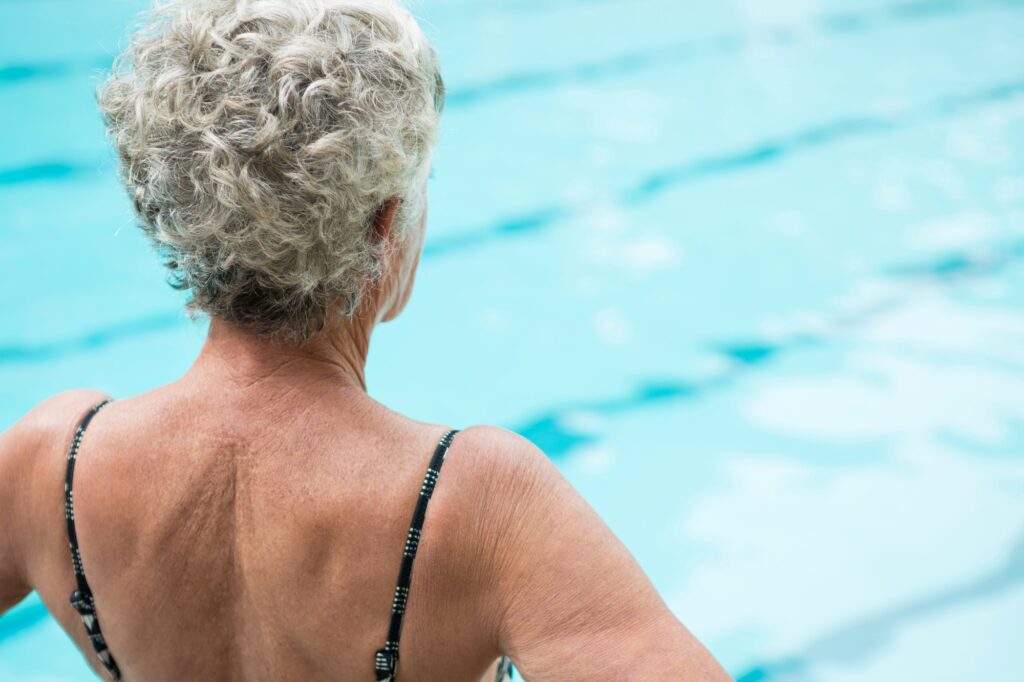
Swimming pool accidents have far-reaching consequences, impacting individuals, families, and entire communities. Risks range from drowning—the second-leading cause of unintentional injury deaths among children—to severe injuries caused by outdated pool drains or poorly secured covers. Unsupervised access, whether by children or adults, is a major contributing factor. There is a serious risk of fatalities and drowning associated with swimming pool accidents, making prevention and supervision critical.
Whether in Las Vegas or the suburbs, modern pools contend with multiple risk factors. Many accidents occur when safety protocols are overlooked; minor oversights like faulty alarms or a broken gate latch can increase the likelihood of incidents. The most common causes of swimming pool accidents include unsupervised access and individuals, especially children, falling into the pool. This underscores the need to safeguard every entrance to your pool by maintaining effective barriers, alarms, and latching gates.
Data reveals that most accidents result from a combination of unsupervised access, poor maintenance, and non-compliance with federal safety standards. On average, there are several fatalities or drownings per year in the area, particularly among young children. While factors such as cost or complacency may play a role, the consequences are rarely minor. Every incident holds the potential for major, life-altering impacts.
Hazardous pool drains and aging pool covers compound these dangers. Many older facilities, including hotels in Las Vegas and community pools, still struggle with equipment that is not up to modern standards. There is also a risk of children or adults falling into the pool and potentially drowning due to faulty covers or drains. Whether you own a private pool or manage a large facility, understanding these risks is the first step in creating a safer environment.
Swimming pool accidents remain a serious public safety concern in the Las Vegas area, with local statistics underscoring the urgent need for vigilance. According to the Centers for Disease Control and Prevention (CDC), drowning is the second leading cause of death for children under the age of 15 in the United States. In Las Vegas, a significant number of drowning deaths occur in swimming pools, with children under the age of 5 representing the most vulnerable age group. These tragedies often happen quickly and silently, making prevention measures critical.
To address these risks, the Las Vegas city council has enacted regulations requiring pool owners to install proper fencing and door alarms to limit unsupervised access. Additionally, pool service providers in the Las Vegas area are mandated to ensure that pool drains are equipped with safer drain covers, reducing the risk of entrapments and other serious injuries. These combined efforts aim to lower the number of pool accidents and protect children and families throughout the city.
Despite these measures, pool accidents continue to occur, highlighting the importance of ongoing education, regular maintenance, and strict adherence to safety standards. By understanding the statistics and the factors that contribute to these incidents, pool owners and the community can work together to create a safer environment for everyone.
Swimming pool accidents in the Las Vegas area can take many forms, each carrying the potential for serious injuries or even death. Drowning is the most common cause of fatal pool accidents, often occurring in just seconds and without warning. Near-drowning incidents, while not always fatal, can result in long-term health consequences such as brain damage or permanent disability.
Other frequent types of pool accidents include slips, falls, and diving mishaps. Wet surfaces around pools can easily lead to slip and fall injuries, resulting in broken bones, head trauma, or spinal cord injuries. Diving accidents, especially in shallow water, can cause catastrophic harm, including paralysis or severe head injuries.
Pool owners and pool service providers in Las Vegas have a responsibility to ensure that their pools are maintained to the highest safety standards. This includes keeping pool decks dry, posting clear signage about water depth, and ensuring that all equipment is in good working order. By addressing these common causes of pool accidents, the risk of serious injuries can be significantly reduced for everyone who enjoys swimming in the Vegas sun.
Certain groups are more vulnerable to swimming pool accidents, and understanding who is at greatest risk can help prevent tragedies. In Las Vegas, children under the age of 15, especially those younger than 5, face the highest risk of drowning, as they may lack the swimming skills or awareness needed to stay safe around pools. Unsupervised access, even for a brief moment, can lead to a life-threatening situation for a small child.
Adults over the age of 65 are also at increased risk due to factors such as reduced mobility, balance issues, or age-related health conditions. Additionally, individuals with seizure disorders or other medical conditions may be at risk if they experience a medical emergency while in or near a pool.
For parents and caregivers in the Las Vegas area, constant supervision is essential whenever children are in or around pools. Installing proper fencing, door alarms, and other safety barriers can help prevent unsupervised access and reduce the likelihood of accidents. By recognizing who is most at risk and taking proactive steps, pool owners and families can create a safer swimming environment for everyone.
Swimming pool accidents leave indelible marks on families. Physical injuries or loss devastate loved ones and create enduring emotional scars. Many families have suffered both emotional and financial hardship as a result of swimming pool accidents. Medical expenses can be substantial, and legal disputes may stretch for months or even years.
In Las Vegas, several incidents have spurred policy changes, such as stricter fencing guidelines and advanced alarm requirements, by local authorities. These measures, driven by family and community advocacy, work together to reduce the risk of future accidents and mitigate potential liability.
Communities also face increased insurance costs and the burden of litigation following a pool accident. Public debate often intensifies, prompting community-driven improvement initiatives and increased pressure on local officials to enforce updated safety standards.
By understanding the far-reaching effects of these events on families and communities, pool owners and stakeholders can appreciate the urgency of cultivating a robust pool safety culture.
Vigilant adult supervision remains foundational to pool safety. Whether it’s a family gathering in Las Vegas or a busy hotel pool, a responsible adult should always be present to monitor pool activities—a parent or designated caregiver should be present, especially when small children are swimming.
A real-life incident illustrates this importance: in one case, a watchful adult prevented a tragedy when a child nearly fell into the pool. Designating a trained lifeguard or pool monitor, especially during peak times, can minimize risks and ensure that any distress is addressed quickly.
Supervision should extend to all areas of the pool, including drain covers and hazardous equipment spaces. Continuous observation is your first line of defense against accidents.
Proper fencing is one of the most effective ways to prevent unauthorized or unsupervised access. Fencing acts as both a physical barrier and a visual warning. It is essential for deterring children and other vulnerable individuals from entering the pool area unsupervised. Proper fencing is especially important for protecting small children from accessing the pool without supervision, significantly reducing the risk of accidental drownings.
Key features include self-latching, self-closing gates, which offer a significant safety upgrade. Local Las Vegas ordinances often require these features to help reduce accidents and limit potential liability for property owners. Use durable, weather-resistant materials and schedule regular inspections to ensure the fence remains effective.
A high-quality pool cover can prevent accidental falls and potential drownings. When installed and maintained properly, these covers are an effective deterrent against unauthorized access by both children and adults.
Many pool owners in Las Vegas report fewer near-miss incidents after upgrading to certified covers. In addition to safety benefits, these covers can enhance energy efficiency and promote water conservation. Regular professional inspections are recommended to ensure that the cover remains in optimal condition.
Combining quality covers with other safety measures creates multiple layers of defense against accidents.
Hazardous pool drains represent a hidden risk in many pool installations. Outdated or improperly installed drain covers can pose suction hazards, potentially leading to entrapment or other serious injuries.
Per federal mandates, including the Virginia Graeme Baker Pool and Spa Safety Act, modern drain covers must incorporate improved engineering designs to minimize suction risks. Regular inspections and timely maintenance by qualified professionals are essential to ensure that these systems remain effective and compliant with federal standards.
Upgrading drain covers is a critical step in eliminating one of the most severe risks associated with pool use.
Regular professional maintenance is crucial for keeping your pool safe and operational. Qualified professionals can inspect, clean, and service every component from alarms to covers, ensuring that all systems perform optimally and remain compliant with regulatory standards.
In Nevada, property owners have a legal duty under premises liability law to maintain safe conditions. Neglecting routine maintenance not only increases the risk of accidents but can also result in significant legal exposure. Ensuring water quality and structural safety is an investment in both safety and future legal protection.
Advanced alarm systems—such as door sensors and pool-edge motion detectors—play a vital role in alerting you to unauthorized entries or unexpected activity. These systems, widely adopted in the Las Vegas area, have been effective in reducing incidents by providing early warnings.
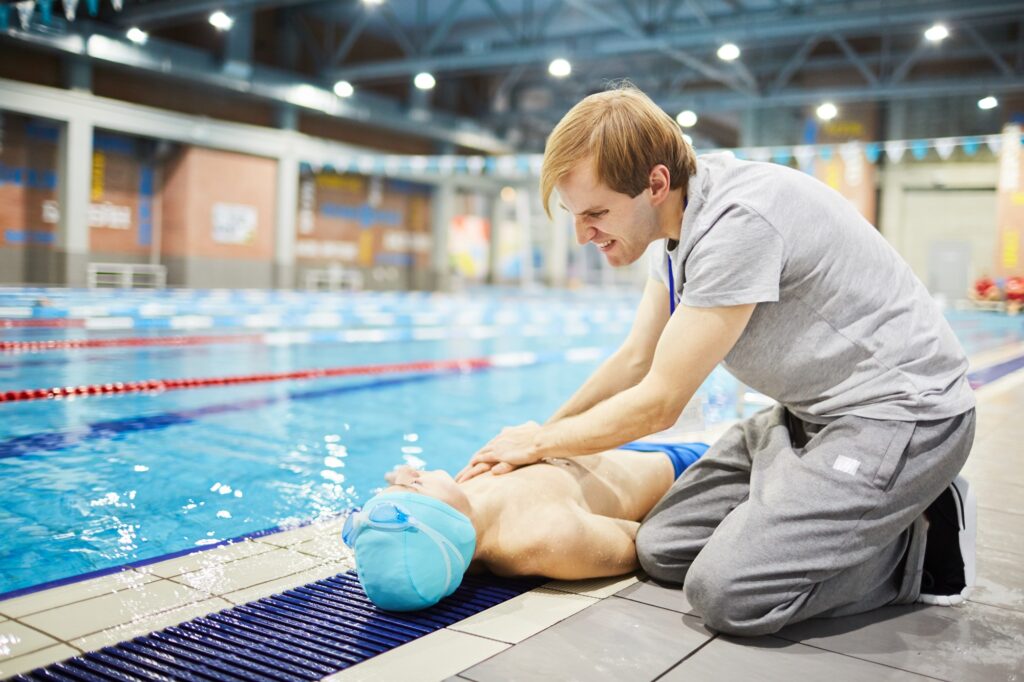
Well-placed alarms can instantly notify responsible individuals or emergency services, granting precious extra seconds to react in an emergency. All family members and staff must know how to respond promptly when an alarm triggers, whether by performing CPR or contacting emergency services immediately.
Education is a powerful tool in accident prevention. Community programs, schools, and local organizations can offer workshops, drills, and public service messages covering essential safety topics—from CPR training to recognizing risks stemming from faulty equipment.
Informed parents, children, and caregivers are better equipped to prevent accidents. Children who do not learn to swim may suffer a higher risk of drowning or injury, making swimming skills and swimming lessons crucial for safety. By actively raising community awareness, overall safety standards can be elevated, benefiting everyone involved.
Children are particularly vulnerable when it comes to pool safety. Implementing child-specific measures, such as installing child-proof barriers, mandating swimming lessons, and using life vests, can significantly reduce risk.
Specialized safety devices, including playpens or self-latching gates, offer additional protection for young swimmers. Education for both children and caregivers is critical, as tailored training programs help cultivate safe habits and rapid recognition of distress signals.
National safety guidelines exist to ensure a minimum level of protection for all pool users. Making sure that your pool, fencing, covers, and drain systems meet these federal requirements is key to eliminating dangerous gaps in protection.
Frequent professional inspections help confirm that your system remains compliant, thereby reducing legal liability. Regular safety audits, especially in busy metropolitan areas like Las Vegas, are an important method for mitigating the risks of serious accidents.
Public safety is a collaborative effort. Many local governments, pool owners, and community groups come together to implement initiatives such as free safety assessments, CPR training classes, and public awareness campaigns. It is crucial to ensure safety at every site where swimming pools are located, including both public and private facilities.
These collaborative initiatives address systemic safety risks by improving equipment, enforcing updated guidelines, and promoting continuous educational outreach. Regular community meetings and public workshops help ensure that all parties remain well-informed and proactive in adopting best practices.
Despite the best preventive measures, emergencies can still occur. Having a robust emergency plan in place can help minimize damage and save lives.
Begin by clearly outlining individual roles, emergency contacts, and ensuring that rescue equipment (like poles, rings, and other flotation devices) is easily accessible. Regular drills and CPR training sessions can ensure that everyone is prepared to act quickly and effectively.
Collaborating with local first responders and nearby hospitals adds an extra layer of preparedness, facilitating faster emergency responses. Routine checks and maintenance of all rescue tools and alarm systems can help guarantee that no one is caught off guard in the event of an incident.

When a swimming pool accident occurs in Las Vegas, determining liability is a crucial step in seeking justice and compensation for victims. Pool owners are legally responsible for ensuring that their pools are safe and secure, which includes maintaining proper fencing, functioning alarms, and compliant drain covers. If a pool owner fails to take reasonable precautions and an accident happens as a result, they may be held liable for any injuries or losses.
Pool service providers can also be held accountable if they neglect proper maintenance or install defective equipment that contributes to a swimming pool accident. In the Las Vegas area, victims of pool accidents have the right to pursue compensation through a swimming pool accident case, which can help cover medical expenses, lost wages, and other damages.
Navigating the legal process can be complex, so it is important for victims and their families to consult with an experienced attorney who understands Nevada law and the specifics of swimming pool accident cases. By holding negligent parties accountable, victims can obtain the compensation they deserve and help promote safer practices throughout the community.
By combining practical measures, ongoing maintenance, and community engagement, you can transform your pool into a secure haven. Vigilance, preparedness, and a commitment to continuous improvement are the foundational steps toward effective accident prevention, especially crucial for both private and public facilities.
Implementing these layered defenses not only minimizes the risk of accidents but also fosters an environment where safety is paramount, reducing potential legal exposure for property owners.
Remember: This article is intended for informational purposes only. It does not replace professional legal advice. If you or a loved one has experienced a pool accident and is considering legal action, please consult with a qualified personal injury attorney familiar with Nevada law.
Stay informed, remain proactive, and contribute to building a safer tomorrow for swimmers of all ages.


Disclaimer: The information on this website is for general information purposes only. Nothing on this site should be taken as legal advice for any individual case or situation. This information is not intended to create, and receipt or viewing does not constitute an attorney-client relationship. Past results do not guarantee, warrant, or predict future cases. You may have to pay the other side’s attorney’s fees and costs in the event of a loss.
Pacific West Injury Law • Greater Las Vegas’ Award-Winning Injury Attorneys • #bluebearcares
This site is protected by reCAPTCHA and the Google Privacy Policy and Terms of Service apply.