
Even a minor collision can have far more dangerous implications than its superficial appearance suggests. The term can be misleading, as many car accident victims assume minimal external damage means no significant internal harm.
However, hidden injuries, such as internal bleeding, abdominal pain, and traumatic brain injury, can develop without obvious external signs. Recognizing these injuries early is crucial to directing proper medical treatment and avoiding long-term health complications.
Internal injuries refer to damage sustained by organs, blood vessels, and soft tissues that remain hidden beneath the skin. Even in what seems like a minor car accident, the impact can cause internal injuries that compromise vital organs and may lead to severe complications if left untreated.
Unlike external injuries, which are visible and often immediately apparent, internal injury symptoms may not be obvious right away. The forces generated during a collision.

Internal bleeding is among the most dangerous outcomes following even a minor auto accident. Blunt trauma can damage blood vessels without leaving a mark on the skin.
Medical professionals can sometimes miss internal bleeding if they focus only on external injuries, especially in cases of penetrating or decelerating trauma. Diagnostic imaging is crucial to avoid missing internal bleeding, as symptoms may be delayed or absent. If internal bleeding goes undetected, it can lead to life-threatening blood loss and organ failure. Early diagnosis through imaging tests is essential to managing this hidden threat.
Abdominal injuries can impact organs like the liver, spleen, or kidneys. Even mild discomfort in the upper abdomen or general abdominal pain can indicate significant internal damage. Severe pain or tenderness in the left upper abdomen may indicate a ruptured spleen and requires prompt medical attention.
These injuries may start with subtle symptoms that, if ignored, might evolve into more severe complications, including persistent abdominal pain and internal bleeding.
Traumatic brain injury (TBI) can occur even in low-impact collisions. The brain’s movement inside the skull during a sudden stop may lead to concussions or more subtle brain injuries. Many traumatic brain injuries happen even without a direct blow to the head, as the force of a collision can cause the brain to strike the inside of the skull.
Symptoms of TBI, like headaches, dizziness, or confusion, might not appear immediately but can become serious over time. Prompt medical attention is essential to assess and address these hidden injuries.
Soft tissue injuries involve damage to muscles, ligaments, and tendons. These often show up as pain and inflammation, not immediately apparent after a car accident.
Despite a lack of external bruising or swelling, soft tissue injuries can lead to chronic pain and restricted mobility. Recognizing and managing these injuries early can prevent long-term discomfort and complications.
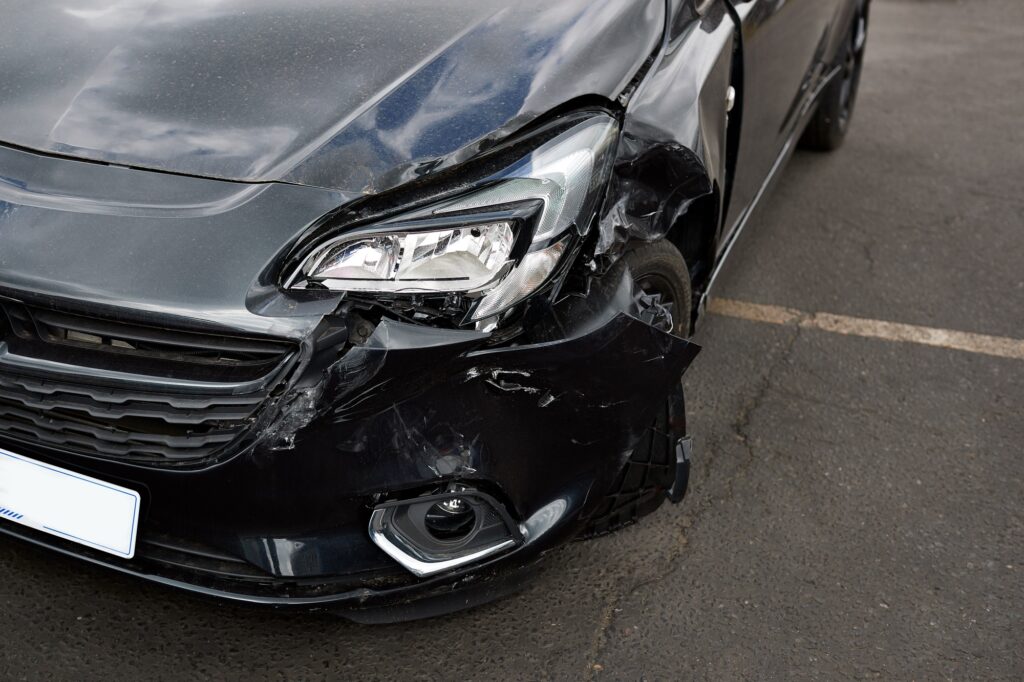
Blunt trauma and rapid deceleration are key mechanisms of internal injuries from minor collisions. When a vehicle stops suddenly, internal organs may continue moving, causing unexpected strain.
This sudden movement can tear blood vessels or force organs against bony structures, leading to hidden damage. Even if the external impact seems minimal, the internal forces involved can be significant and dangerous.
Internal injuries resulting from blunt trauma’s dynamics may not show visible signs on the skin. Hidden organ damage—such as to the heart or kidneys—can progress without immediate symptoms. Even minor collisions can result in internal organ damage, which may not be immediately apparent and can have serious, potentially life-threatening consequences.
This concealed harm highlights the importance of recognizing that even minor collisions may cause serious internal injuries. Monitoring subtle indicators ensures early identification of hidden damage.
Persistent pain is a common warning sign after a car accident. Ongoing abdominal or chest pain may indicate internal bleeding, broken ribs, or other injuries not externally detected. Severe pain or significant pain during breathing or movement may be a sign of broken bones or a broken rib, which can be serious even if not immediately visible.
Even if pain appears mild, its persistence or intensification should prompt an evaluation. Ignoring these signals might allow internal injuries to progress into severe complications.
After a minor collision, symptoms such as headaches, dizziness, or confusion can signal a traumatic brain injury. These cognitive changes may be subtle at first but require serious attention.
Any neurological symptoms—even minor disorientation—should prompt immediate medical evaluation. Early detection is key to preventing potential long-term brain damage.
Altered vital signs, including changes in blood pressure and heart rate, are important signs of internal stress. Low blood pressure may be a sign of internal bleeding and requires urgent medical attention. Persistent fatigue or unexplained weakness might suggest internal bleeding or soft tissue injuries.
Other subtle indicators include spreading bruising or unexplained shoulder pain. Recognizing these signs early can guide timely medical treatment and prevent further complications.
Delaying treatment for internal injuries after a car accident can have devastating and even life-threatening consequences. Internal injuries—such as internal bleeding, traumatic brain injuries, and organ damage—often develop silently, with symptoms that may not be immediately apparent at the accident scene. This makes it especially important for car accident victims to seek medical attention as soon as possible, even if they feel fine initially.
When internal injuries caused by blunt trauma or decelerating trauma are left untreated, the risk of severe complications rises dramatically. Damage to blood vessels, vital organs, or soft tissue can quickly escalate, leading to internal bleeding, organ failure, or collapsed lungs. Common internal injuries like broken ribs and abdominal injuries may start with mild abdominal pain or chest pain, but can progress to chronic pain, difficulty breathing, or even life-threatening complications if not properly managed.
Immediate medical attention is crucial because symptoms of internal injuries—such as dizziness, nausea, or unexplained fatigue—can be subtle or delayed. Without prompt medical evaluation and treatment, accident victims may suffer permanent brain damage, spinal cord injuries, or other severe injuries that require extensive medical intervention. In some cases, surgical intervention is necessary to repair damaged organs or blood vessels and prevent further harm.

Seeking medical treatment right away not only improves the chances of a full recovery but also helps prevent long-term suffering and additional complications. Medical professionals can use diagnostic imaging and thorough examinations to identify hidden injuries and develop an effective treatment plan tailored to the accident victim’s needs.
In addition to protecting your health, acting quickly can also safeguard your legal and financial interests. Delayed treatment can make it harder to prove the connection between your injuries and the car accident, potentially affecting your ability to recover compensation for medical expenses, lost wages, and pain and suffering. Consulting a personal injury attorney early on ensures your rights are protected and helps you navigate the process of seeking justice and fair compensation.
If you or a loved one experiences common symptoms of internal injuries—such as abdominal pain, chest pain, difficulty breathing, or other symptoms—after a car accident, do not wait. Seek immediate medical attention and document all symptoms and treatments. Early intervention is the best way to prevent severe complications and support your recovery. Remember, you are not alone—medical professionals and personal injury attorneys are available to help you through every step of your recovery and legal journey. Take action today to protect your health and your future.
Certain risk factors increase the dangers associated with internal injuries from minor collision events. Older adults may have less tissue resilience and slower healing.
Pre-existing conditions like heart disease or clotting disorders make complications more likely. Even low-impact collisions can deliver significant force if safety measures, like seat belts, aren’t properly used.
Failing to address internal injuries promptly can result in chronic pain, persistent organ damage, or life-threatening complications. Understanding these risks underscores the necessity of immediate and thorough medical attention.
Immediate medical evaluation after any car accident is crucial for detecting hidden internal injuries. Advanced imaging—such as CT scans, ultrasounds, or MRIs—can reveal internal bleeding, organ damage, or fractures.
Documenting all symptoms, from unusual pain to cognitive changes, helps healthcare providers diagnose injuries early. This proactive approach can prevent further harm and ensure prompt treatment.
Many internal injuries from minor collision incidents can be managed with conservative, non-invasive treatments. Physicians may use observation, pain management, and rest to allow natural healing.
Regular follow-ups help ensure that subtle signs of worsening are caught early. By managing internal bleeding or soft tissue injuries conservatively, the risks of chronic pain or organ damage can be minimized.
Severe cases may require surgical intervention to address internal injuries. Significant internal bleeding or organ damage may necessitate immediate surgery to control bleeding or repair damaged tissues.
Emergency procedures are designed to stabilize the patient and repair accident-induced injuries. Prompt surgery can be life-saving and reduce the risk of long-term complications.
After initial care, rehabilitation plays a crucial role in recovery. Physical therapy helps rebuild strength, restore mobility, and alleviate lingering pain after an accident.
A tailored rehabilitation plan—including targeted exercises and ongoing assessments—supports long-term recovery and a return to normal daily function..

After a collision, continuous health monitoring is essential. Even if initial tests show no major injuries, internal injuries from minor collisions may appear over time.
Remain vigilant for persistent or emerging symptoms, and seek medical attention if your condition changes. Symptoms such as vomiting, especially if blood is present, may indicate you are suffering internal injuries and require immediate attention. Regular checkups ensure internal damage is caught and addressed before it escalates.
Accurate documentation is critical. Maintain detailed records of the incident, symptoms, medical reports, and treatments. This is valuable for your health and legal protection. If your injuries were caused by someone else’s negligence, you may be entitled to compensation, and many attorneys offer a free consultation to discuss your case.
Consulting a personal injury attorney helps protect your rights and assists with compensation for lost wages, medical expenses, or future complications. Thorough documentation supports your legal case if negligence is an issue.
Note: In Nevada, personal injury claims typically must be filed within one year of the accident. Early legal consultation is crucial to safeguard your rights.
Prevent complications by adopting healthy lifestyle changes. Include light exercise, a balanced diet, and rest to support healing after an accident.
Regular health check-ups are important, even if you feel fine. These measures help detect internal injuries from minor collisions early, ensuring timely treatment to avoid long-term complications.
Historical legal records and case precedents spanning 1725–1984 have played a role in shaping modern personal injury law. While automotive accidents are a more recent phenomenon, the evolution of injury assessment and legal redress has deep historical roots that inform today’s standards.
This legacy underlines the importance of comprehensive documentation and prompt medical as well as legal evaluations. By understanding the historical context, accident victims can better appreciate the protections now afforded under Nevada law.
Should I seek medical attention after a minor collision accident?
Persistent pain, dizziness, or abnormal blood pressure after a minor collision should prompt immediate medical attention. Early intervention detects hidden internal injuries before they escalate.
What are some signs of hidden injuries after a minor collision?
Internal injuries from minor collisions can be challenging to spot because they often lack visible signs. Subtle symptoms such as mild abdominal discomfort, unexplained bruising, or fatigue may indicate internal bleeding or organ damage.
Will I require diagnostic testing if I was only in a minor collision?
Health professionals use diagnostic imaging, like CT scans, ultrasounds, and MRIs, to identify internal injuries. These tests are vital for diagnosing internal bleeding, soft tissue damage, or traumatic brain injuries that aren’t evident in a physical exam.
What is the average recovery duration after a minor collision?
Recovery timelines may vary depending on the injury type and its severity. Some injuries heal with rest and conservative treatment, while others that require surgery may involve long-term rehabilitation. Regular follow-ups and adherence to medical advice are essential for a full recovery.

Internal injuries from minor collision incidents present significant risks that often go unnoticed. Even when there’s no visible damage, hidden injuries—such as internal bleeding, abdominal trauma, or traumatic brain injury—can have long-lasting effects on your health.
Recognizing subtle symptoms, understanding the effects of blunt trauma and deceleration, and seeking prompt medical evaluation are critical for reducing these risks. Whether through conservative care, essential surgical intervention, or comprehensive rehabilitation, early management improves outcomes.
It is important to remember that while this article provides general information, it does not constitute legal advice. In Nevada, personal injury claims are subject to strict timelines—typically one year from the date of the accident—so it is highly advisable to consult with a qualified personal injury attorney as soon as possible to ensure your rights are fully protected.
By continuously monitoring your health, keeping thorough documentation, and seeking legal guidance when needed, you can protect both your well-being and your rights after a car accident. Stay proactive, no matter how minor the collision seems, to ensure a complete recovery.
Contact Pacific West Injury for more information.


Disclaimer: The information on this website is for general information purposes only. Nothing on this site should be taken as legal advice for any individual case or situation. This information is not intended to create, and receipt or viewing does not constitute an attorney-client relationship. Past results do not guarantee, warrant, or predict future cases. You may have to pay the other side’s attorney’s fees and costs in the event of a loss.
Pacific West Injury Law • Greater Las Vegas’ Award-Winning Injury Attorneys • #bluebearcares
This site is protected by reCAPTCHA and the Google Privacy Policy and Terms of Service apply.