
Suffering severe burn injuries can be a life-altering event. Beyond immediate pain and scarring, victims often face overwhelming emotional trauma and financial hurdles. This guide provides clear information on the legal framework for burn injury claims and how to secure the compensation you deserve.
The road to recovery after a burn injury involves more than just medical treatment. Documenting each detail—from burn type (first, second, third, or even fourth degree) to treatments like skin grafts and therapy—is vital. With a careful approach, an experienced lawyer can transform complex medical records into a strong legal case.
Our guide explores both the medical and legal dimensions of severe burn injury law. We explain how burn classifications affect treatment and legal remedies and stress the importance of documentation. Whether dealing with industrial chemical burns or thermal injuries from a fire, the following sections clarify every step of your legal journey. This guide is your tool for taking informed action with clarity and support.
Read on to learn how to protect your rights, ensure proper care, and seek compensation for lost wages, medical costs, and life-changing expenses.
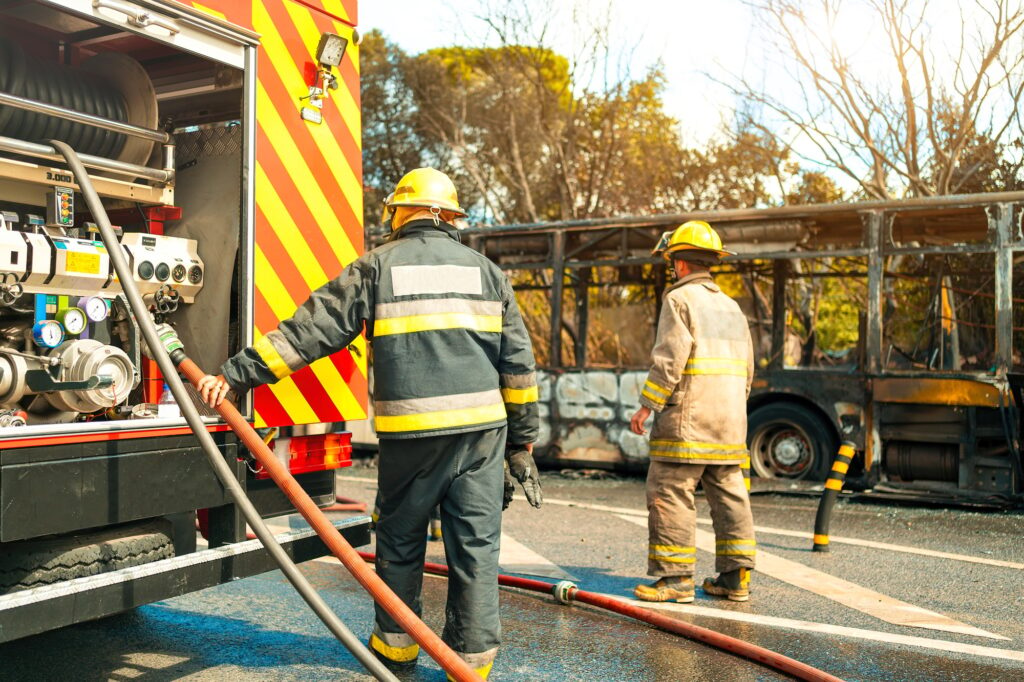
Burn injuries are among the most traumatic and life-altering injuries a person can experience. Whether caused by fire, hot liquids, chemicals, or electricity can result in intense physical pain, emotional distress, and significant financial burdens. Burn injuries, such as third-degree burns, often require extensive medical treatment, including multiple surgeries, skin grafts, and long-term rehabilitation. Burn injury victims may face permanent disfigurement, nerve damage, and other lasting consequences that impact every aspect of daily life.
If you or a loved one has suffered a severe burn injury due to someone else’s negligence, it is crucial to seek the guidance of an experienced burn injury lawyer. A burn injury attorney can help you understand your rights, navigate the complex process of filing a burn injury claim, and fight for the maximum compensation you deserve. With the right legal support, burn injury victims can focus on recovery while ensuring that those responsible are held accountable for their actions.
Burns are classified by depth and severity, both of which play a role in treatment and legal strategy under severe burn injury law.
First-degree burns, or superficial burns, affect only the epidermis. They usually heal with minimal intervention, with little likelihood of scarring or long-term impact. As a result, they may not warrant complex legal claims.
Second-degree burns are more serious and affect both the epidermis and part of the dermis. These burns involve the epidermis and part of the underlying dermis, often causing blisters, intense pain, lasting sensitivity, and sometimes disfigurement. They require significant medical care, and when negligence or defective products are involved, they may lead to relevant personal injury claims.
Third-degree burns, or full-thickness burns, penetrate the skin’s complete depth. They often destroy nerve endings, require advanced treatments like skin grafts, and result in long-term rehabilitation. These cases are frequently at the heart of severe burn injury claims due to the extent of the damage and ongoing health implications.
Fourth-degree burns are the deepest, affecting muscle, tendons, and sometimes bone. They are life-threatening and require urgent, aggressive care. Complications include nerve and blood vessel damage. Legal claims for these burns demand extensive documentation and expert testimony regarding both the clinical and long-term consequences.
Burn classification influences both treatment decisions and claim strategies. Precise diagnosis is crucial to ensure compensation reflects both immediate medical needs and lasting effects.
Burns are categorized into degrees based on the depth and severity of the injury, which directly influences the type of medical treatment required and the potential for long-term effects. First-degree burns, also known as superficial burns, affect only the outer layer of the skin and typically heal with minimal intervention. Second-degree burns, or partial thickness burns, penetrate deeper, damaging both the epidermis and dermis, and often result in blisters, pain, and possible scarring.
Third-degree burns, referred to as full thickness burns, destroy all layers of the skin and can cause severe scarring, nerve damage, and life-threatening complications. These injuries often require advanced medical treatment, such as skin grafts, and may lead to permanent disfigurement. The most severe, fourth-degree burns extend beyond the skin to damage muscles, bones, and even internal organs, posing critical risks to the victim’s life.
Understanding the degree of a burn is essential for determining the appropriate medical treatment and for evaluating the full scope of damages in a burn injury claim. Accurate classification ensures that burn injury victims receive the care and compensation they need to support their recovery and long-term well-being.

Burn injuries can result from several sources. Understanding these differences is essential for establishing liability.
Workplace burn injuries can result from exposure to hazards such as toxic chemicals, electrical burns, explosions, or friction. Employees in various occupations, from kitchen staff to office workers, may be at risk and should be aware of their legal options for compensation.
Knowing the cause helps tailor medical care and build a legal argument that addresses all impacts, from immediate costs to lasting trauma.
Chemical burns, sometimes called caustic burns, occur when the skin or eyes come into contact with dangerous chemicals such as acids, alkalis, or other toxic substances. These types can cause deep tissue damage, severe pain, and even life-threatening complications, especially if not treated promptly. Chemical burns are often the result of workplace accidents, exposure to defective products, or negligent handling of hazardous materials.
If you have suffered a chemical burn injury, it is vital to seek immediate medical attention to minimize the risk of long-term damage. After receiving medical care, consult with an experienced burn injury lawyer to discuss your legal options. A burn injury attorney can help identify the responsible parties—whether an employer, manufacturer, or another negligent party—and guide you through the process of filing a burn injury claim. By pursuing legal action, you may be able to recover compensation for medical expenses, lost wages, and other damages resulting from your chemical burn injury
If you or someone you care about has sustained a burn injury, taking the right steps immediately can make a significant difference in your recovery and your ability to secure compensation. First and foremost, seek immediate medical attention to address the injury and prevent further complications. Prompt medical treatment is essential for both your health and for documenting the extent of your injuries.
Next, gather and preserve all evidence related to the burn injury. This includes medical records, photographs of the injury, witness statements, and any documentation of the incident. Avoid discussing the details of the accident or your injuries with insurance companies or other parties before consulting a burn injury lawyer.
Contact an experienced burn injury attorney as soon as possible to schedule a free consultation. A burn injury lawyer can help you understand your rights, evaluate your case, and guide you through the process of filing a burn injury claim. With professional legal representation, you can pursue maximum compensation for your medical expenses, lost wages, and other damages, allowing you to focus on your recovery and long-term well-being.
The foundation of severe burn injury law involves proving negligence—the failure to exercise reasonable care leading to injury. Establishing negligence may rely on showing unsafe conditions, lack of protective measures, or defective products.
Liability depends on a direct link between the defendant’s actions and the injury. For example, negligence causing house fires or failure to warn about hazardous chemicals can expose a responsible party to a claim for damages, including medical treatment and lost wages.
Economic damages are measurable expenses like hospital bills and lost wages. Non-economic damages cover pain, suffering, disfigurement, and emotional trauma. In particularly egregious cases, punitive damages may also be awarded to discourage future misconduct.
Additionally, under Nevada law, burn injury claims are subject to a two-year statute of limitations from the date of the injury, and the state’s modified comparative negligence rule means that if you are found partially at fault, your compensation may be reduced accordingly.
Thorough documentation and expert advice are central to capturing the complete scope of injury and maximizing both forms of compensation.
Filing a burn injury claim means evaluating both economic and non-economic losses. Major costs typically include ongoing care, extensive rehabilitation, surgical procedures, and lost earnings. Non-economic losses address pain, distress, and reduced quality of life. Experienced attorneys ensure every aspect of an injury is documented and legally substantiated—from photographs and medical records to expert testimony about the burn’s impact.
A comprehensive approach to damages is vital, especially in cases where negligence or a defective product is involved. By detailing everything from treatment plans to psychological trauma, your legal representation can secure a settlement or verdict that encompasses all hardships suffered.

An experienced lawyer’s guidance is essential when responding to the complex aftermath of a severe burn injury. Legal professionals specializing in these cases understand both the medical evidence and the intricacies of burn injury law. They collect and organize critical information, negotiate with insurers, and ensure your claim addresses every dimension—from the origin of the burn to long-term life changes.
Their expertise also covers key distinctions between injury types, which is vital to accurately translating medical terms into a persuasive legal argument. Early legal involvement helps safeguard crucial evidence, such as medical records and incident photos, and improves the odds of a favorable outcome. Most lawyers work on a contingency fee basis, so they are motivated to recover maximum compensation for you.
Effective compensation strategies require detailed documentation, expert witness support, and strong negotiation skills. Medical records, diagnostic tests, and treatment plans help tie the burn’s severity to calculated losses. Testimony from treating professionals and economic experts assists in quantifying both direct expenses and the broader financial impact. It is essential to include all medical costs, such as treatment, hospitalization, and rehabilitation, when calculating compensation, as these expenses can be extensive and long-term.
When negotiating with insurers, your attorney’s ability to counteract low initial offers is critical. By presenting full evidence of your injuries—including all physical and emotional harm—your legal team strengthens your position for a settlement that covers immediate care and future needs.
Start your case with a free consultation from a burn injury lawyer who will review documentation, accident reports, and evidence of negligence. This early analysis ensures all the circumstances around the injury, whether from workplace incidents or defective products, are accurately documented. Prompt consultation helps you act within the statute of limitations and preserves critical evidence that could affect your claim.
The next steps include comprehensive evidence-gathering: compiling medical records, obtaining photographs, and securing expert opinions. All this information is integral in constructing a strong claim.
Once evidence is compiled, the formal claim is filed, and negotiations with insurers begin. If a fair settlement cannot be reached, your attorney may take your case to court. Throughout the process, ongoing communication ensures your claim remains accurate and fully supported by emerging evidence and treatment updates.
Assessing and documenting all damages incurred is key to recovering maximum compensation. Costs range from emergency treatment and surgeries to long-term therapy and medications. Keeping a meticulous record of these expenses is vital to your case.
Non-economic damages—such as pain, trauma, mental anguish, and diminished life quality—are also critical. Mental anguish refers to the severe emotional suffering and psychological distress that burn victims often endure, which can be significant in legal claims. These generally have lasting impacts and must be established through detailed documentation and expert analysis.
Successful compensation involves:
A well-integrated legal and medical approach ensures that your claim covers all losses incurred.
Understanding the nature and consequences is the first step toward effectively navigating burn injury law. This guide has outlined classifications, causes, legal principles, and practical steps for pursuing compensation.
After a burn accident, the stakes are high—from physical suffering and emotional trauma to significant financial setbacks. Securing an experienced attorney is key to compiling persuasive evidence and building a strong case. Every medical document, expense, and expert opinion contributes to a successful claim that addresses both immediate needs and long-term recovery.
Act quickly to secure representation and begin building a case that comprehensively covers all your losses—from immediate medical bills to compensation for pain and suffering. With the guidance of legal experts and thorough documentation, your journey to recovery can start on a firm foundation.
Contact Pacific West Injury for more information and legal guidance!

Disclaimer: The information on this website is for general information purposes only. Nothing on this site should be taken as legal advice for any individual case or situation. This information is not intended to create, and receipt or viewing does not constitute an attorney-client relationship. Past results do not guarantee, warrant, or predict future cases. You may have to pay the other side’s attorney’s fees and costs in the event of a loss.
Pacific West Injury Law • Greater Las Vegas’ Award-Winning Injury Attorneys • #bluebearcares
This site is protected by reCAPTCHA and the Google Privacy Policy and Terms of Service apply.