
Imagine stepping into a hotel bathroom only to encounter a slippery floor that results in a painful fall. Unsafe conditions, poor maintenance, and hazardous environments can lead not only to fall injuries but also to challenges like overwhelming medical bills and lost wages.
Understanding your legal rights and the steps to take is critical. From collecting medical records and photographic evidence to seeking guidance from a skilled personal injury attorney, preparing your case with care can make the difference between a minimal payout and a fair settlement. This guide outlines the essentials of proving negligence, the responsibilities of hotel management, and how to protect yourself after a slip and fall incident.
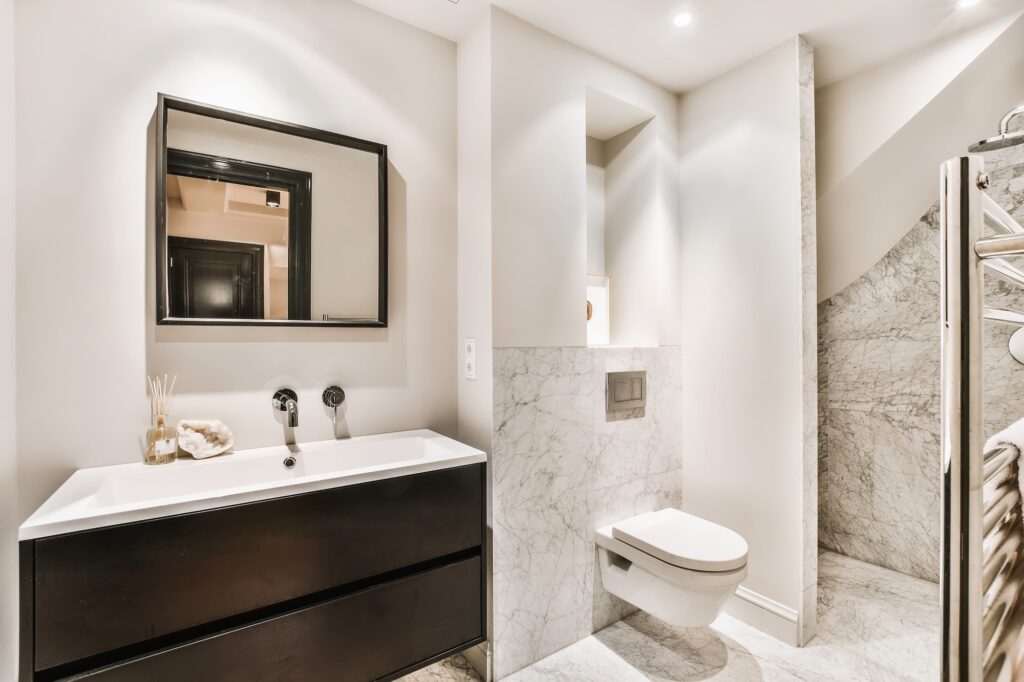
A slip and fall accident in a hotel bathroom typically happens when a guest falls because of hazardous conditions. These incidents are often triggered by wet or slippery floors, poor lighting, or a lack of safety features such as grab bars, non-slip mats, or rubber mats in the shower.
The accident scene may include evidence of negligence, ranging from poorly maintained shower floors to water spills that weren’t quickly addressed. This highlights the hotel’s duty of care; a failure by the property owner or management to maintain a reasonably safe environment may open the door to a personal injury claim.
Unsafe conditions in hotel bathrooms can have far‐reaching effects on guest safety and financial stability. Injuries caused by slip and fall accidents may require immediate medical treatment, long hospital stays, and extensive rehabilitation. For example, a guest who suffers a fractured hip might face substantial medical bills and significant lost wages, adding to the hardship.
These outcomes underscore a breach of the hotel’s duty to protect guests. When a hotel does not promptly fix issues like slippery floors or poor lighting, it not only risks guest health but also invites legal action. This breach can be used as evidence, which is why injured guests should consider consulting a personal injury attorney.
Hotel management is responsible for ensuring all property areas—especially high‐risk zones like bathrooms—are safe for guests. Regular maintenance, routine inspections, and immediate corrective actions are critical. Examples include installing grab bars, keeping floors dry, and making sure non-slip mats are present.
If a hotel neglects maintenance or fails to provide necessary safety features like a rubber mat where water build-up is a known hazard, such oversights can be viewed as evidence of negligence. These failures may support claims that the hotel did not fulfill its responsibility to protect guests.

Establishing premises liability means proving that the hotel’s negligence directly led to your injury. To show that a property owner or management was liable, you must document that a hazardous condition existed at the time of your accident. This includes recording wet floors, poor lighting, or other dangers.
Critical evidence includes maintenance logs, witness statements, and medical records supporting your injuries. These documents prove that the hotel breached its duty by not correcting hazards.
After a slip and fall in a hotel bathroom, document every detail. Seek prompt medical attention so every injury is accurately recorded. These medical records detail the extent of your injuries and serve as strong evidence in a personal injury claim.
Also, take clear photos or videos of the accident scene. Capture visual evidence of hazardous conditions, such as wet floors or poorly maintained showers. Visual documentation bolsters your claim and supports crucial details.
Alongside medical records and photos, gather witness statements. Guests or hotel staff who observed the accident can confirm the conditions that led to your fall. Written or recorded statements add credibility to your account.
Request copies of maintenance logs or incident reports, if possible. These records can show whether the hotel was previously aware of the hazard or if similar issues had been reported. Logs revealing prior neglect can be key to establishing that the hotel breached its duty.
Seek medical attention immediately, even for minor injuries, to ensure every injury is documented. Quickly report the accident to hotel management and request an incident report. Thoroughly note the conditions in the bathroom—any delay in documentation could undermine your case.
Being prompt protects both your health and the accuracy of your evidence. Additionally, it is important to note that under Nevada law, personal injury claims (including those arising from slip and fall incidents) are generally subject to a statute of limitations of two years from the date of the injury. This makes early action essential to preserving your legal rights.
After collecting evidence and receiving necessary medical care, consult a personal injury attorney. An experienced premises liability lawyer will review your documentation and advise you on the next steps to take. Their expertise in dealing with insurance companies and hotel management can be invaluable in ensuring that your claim is not undervalued.
A personal injury attorney carefully reviews every piece of evidence—medical files, photographs, witness accounts, and maintenance logs—to assess whether the hotel breached its duty of care. Given the potential for mounting medical bills and lost income, their evaluation is crucial to your case.
Skilled attorneys understand the complexities of premises liability and negligence. They determine whether a hazardous condition directly caused your injuries and can address issues of comparative negligence, a factor in Nevada where any degree of responsibility on your part may reduce your overall award.
When your claim is robust, your attorney will handle negotiations with the hotel’s insurance company. Insurance adjusters often seek to offer settlements that fall short of covering your actual losses, including medical expenses, lost wages, and pain and suffering.
A capable attorney recognizes these lowball tactics and works to secure a settlement that fully reflects your damages. Supported by evidence such as witness statements, maintenance logs, and comprehensive medical records, your attorney strives to ensure you receive compensation that truly reflects the extent of your injuries and losses.
Several key factors affect the compensation available in slip and fall cases:
For instance, if hazardous conditions like a persistently wet floor were repeatedly reported but never addressed, this history can significantly strengthen your claim.
A successful slip and fall claim can include compensation for:
Thorough documentation and clear evidence of negligence are critical in establishing the full scope of compensation you deserve.
Yes, you may have grounds to sue if your fall resulted from the hotel’s negligence, such as a wet floor with no warning signs, lack of grab bars, or poorly maintained facilities. To succeed, you must show that the hotel failed to uphold its duty to maintain a safe environment.
Key evidence includes medical records, photographs of the accident scene, witness statements, incident reports, and maintenance logs. This documentation helps prove the existence of a hazardous condition and the hotel’s failure to address it.
While reporting the incident right away is ideal, you can still pursue a claim if you collect strong supporting evidence. However, delayed reporting may weaken your case, so consult an attorney promptly to evaluate your legal options.
In Nevada, the statute of limitations for personal injury claims is generally two years from the date of the injury. Failing to file within this period may result in losing your right to compensation.
You may be entitled to recover damages for medical expenses, lost wages, pain and suffering, and possibly punitive damages if gross negligence is proven. The value of your claim depends on the severity of your injuries and the strength of your evidence.

Slip and fall incidents in hotel bathrooms are both painful and disruptive, carrying serious legal and financial implications. When a dangerous condition leads to injury, a guest may have the right to sue if they can demonstrate that hotel management failed to maintain a safe environment.
Understanding negligence, premises liability, and the importance of collecting solid evidence—such as medical records, witness statements, and maintenance logs—plays a crucial role in protecting your rights. This knowledge is especially important in Nevada, where the application of comparative negligence can affect the outcome of your claim.
Whether you’re grappling with mounting medical expenses, lost wages, or the challenges of negotiating with insurance companies, timely action and thorough preparation are key to securing the compensation you deserve.
Remember, safe hotel conditions are not merely a luxury—they are your legal right as a guest.


Disclaimer: The information on this website is for general information purposes only. Nothing on this site should be taken as legal advice for any individual case or situation. This information is not intended to create, and receipt or viewing does not constitute an attorney-client relationship. Past results do not guarantee, warrant, or predict future cases. You may have to pay the other side’s attorney’s fees and costs in the event of a loss.
Pacific West Injury Law • Greater Las Vegas’ Award-Winning Injury Attorneys • #bluebearcares
This site is protected by reCAPTCHA and the Google Privacy Policy and Terms of Service apply.